Română
Dragi elevi și studenți,
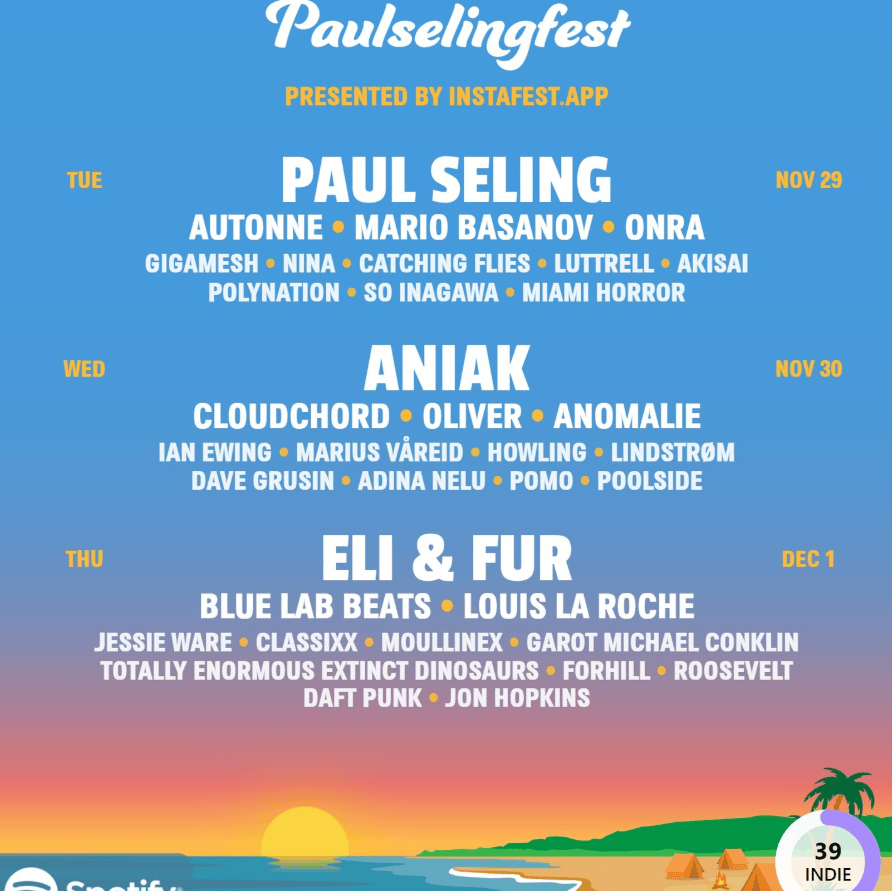
Acum câțiva ani a existat o mică aplicație, temporară, care transforma lista cu artiștii tăi favoriți de pe Spotify într-un afiș pentru un festival imaginar. Vă atașez aici acel afiș, pe care l-am postat amuzat pe Instagram, unde mai este și astăzi. După calculele mele de astăzi, cetățeni mai bine sau mai rău intenționați care urmăreau feed-ul meu din antice vremuri s-au… sesizat.
Una dintre trupele mele favorite de nu-jazz și electronică – Blue Lab Beats – a publicat, o vreme mai târziu, un single denumit „Friends & Family”, cu o floricică roșie pe copertă. Cei interesați pot vedea oricând, pe platformele muzicale, această lucrare.
Mă amuz nițel, cu necaz, în acel moment, aducându-mi aminte de vorba românească urbană: „Cum te distrug prietenii și familia nu te distruge nimeni”. Mai stau eu nițel, contemplând grafica, și îmi aduc aminte de mai multe tipuri de simbolisme legate de flori:
1) Mătușica mea, soția unchiului Nelu, fratele mamei, denumită cu gingășie de prieteni și rude Florica.
2) O prietenă de-a mamei, fostă profesoară de muzică, d-na Florisca.
3) Zicala populară „Cu o floare nu se face niciodată primăvară” sau sintagma „floare rară”.
4) Poate că mi-am adus scurt aminte și de desele plantări ale fostului primar Cătălin C., ridiculizate de întregul oraș. Se spunea atunci că doar o lalea costa cât un ghiveci cu flori obișnuite.
5) Ne mai aducem aminte și de numele Florin – de ce nu? Doar aceste asocieri sunt libere și la îndemâna oricui.
Păi, există în oraș un bărbat cu o formă de dizarmonie a echilibrului mental, numit Florin. Uneori, rareori, îi mai dădeam și eu câte doi-trei lei. Dar asta trebuie făcut cu mare grijă, având în vedere că în urbea noastră au apărut de ceva vreme afișe care interzic donațiile în bani către cerșetori.
Ca notă de subsol, nici eu nu prea sunt de acord cu asta. Dacă vreau să ajut un om la necaz, îi cumpăr ceva de mâncare, un pachet de făină, o pâine, un pateu și cam atât.
6) Dacă mai vrei să divaghezi mai departe, te poți gândi și la „florini”, acea monedă din vremuri străvechi. Apoi poți inventa un joc de schimb valutar, îi poți redenumi „poli”, „lei”, poți trece de la cuvântul „pol” la „poll” (sondaj de opinie), „pole” (stâlp), apoi, de ce nu, la numele propriu Paul, apoi la fizicianul Wolfgang Pauli, apoi poate la prinți și prințese cu același nume sau nume similare.
Totul e posibil atunci când vrem să facem… jocuri și combinații de dragul fitnessului mental.
OK, am lăsat gândurile despre flori la o parte. Nu mult mai târziu, am contemplat nițel mici schimbări în anturajul meu, în comportamentul unor Florini, în particular. Cum orașul nostru este mic, probabil că „florinii” sunt mai ușor de schimbat la birourile de schimb în tot felul de alte tipuri de „valută forte”. Simbolic vorbind și, poate, și cu aplicație practică.
7) Ah, și să nu uit: brusc mi-am adus aminte de prima piesă a lui Armand Van Helden, „Flowers”, ascultată prin București la finalul anilor ’90. Piesă frumoasă, pe un CD pirat cumpărat din față de la Cinema Patria, de la un tip întreprinzător.
Ei, ei, dragii mei, să știți că, totuși, nimic nu se compară cu a ține în mâini un CD original, mirosind a plastic proaspăt și tipar de calitate. Păi de ce, veți întreba voi?
Păi de ce? Pentru că doar în broșurile CD-urilor originale poți citi în detaliu informații despre producție, compozitori, aranjori, despre locațiile și studiourile profesionale în care s-a înregistrat muzica. Chiar în acele zile ale anilor ’90 am început să realizez că, de-acu’ înainte, e neapărat nevoie să ascult muzica artiștilor mei favoriți doar plătind cum se cuvine produsul final.
Este vorba și de o chestiune de corectitudine: s-a gândit, s-a cheltuit și s-a muncit mult la asemenea producții, iar contribuția noastră individuală, dolar cu dolar, euro cu euro, adunată de pe tot cuprinsul Planetei, îi ajută pe toți acești creativi să-și ducă viețile mai departe făcând ceea ce le place.
Haideți să mai contemplăm nițel afișul festivalului nostru imaginar: Adina Nelu.
Păi, despre Adina știam puține lucruri. Era extrem de frumoasă, talentată și sensibilă, făcând, acum mai bine de 10 ani, parte din grupul de backing vocals al soră-mii, Paula. Ea cânta și la flaut, fiind absolventă de studii de specialitate, dar de câțiva ani emigrase în UK, din câte știu, deschizându-și un mic studio personal și urmând să devină gradual un producător independent de muzică de film.
Am urmărit-o frugal, dezvoltându-se rapid, pornind de la câteva reclame pentru mari case de modă, filme independente românești și apoi producții cinematografice tot mai de anvergură.
Am ascultat acum trei-patru ani nițel din producția ei pe Spotify. Eram impresionat de cât de complexă era producția ei, exclamând în sinea mea: „Iată o fată excepțional de frumoasă, cu o minte și mai strălucitoare și un talent care va da cu siguranță roade în viitor”.
Cu toate acestea, sincer să fiu, am intuit în detalii și o anumită formă de nesiguranță, dar am pus-o pe seama lipsei de suficientă experiență în muzica electronică.
Ei bine, am avut ideea de a-i cere o acapella de la una dintre piesele ei de început, „Somnoroase Păsărele” („Drowsy Birds”), construită în jurul poeziei lui Mihai Eminescu. Remixul era relativ aerisit, o interpretare personală pe ritm chillhop, ușor amuzantă, ca un mic experiment interogativ.
Ei, ei, dragii cetitori, cum fac de obicei, am postat remixul pe SoundCloud și am dat tag Adinei, expunând astfel varianta mea spre studiu în rețeaua ei de cunoscuți. Adina a reacționat cu un comentariu de tipul: „Se pare că, iată, am parte și eu de un prim remix”.
Nah, n-am știut cum să interpretez exact această observație, dar, sincer să fiu, parcă mi s-a părut nițel ironică și condescendentă. Hmm, m-am gândit eu, iată o tânără care are mare încredere în capacitatea ei de a înțelege contextul în care trăim, lucrarea mea și, mai ales, contextul global în care mințile noastre și, apoi, întreaga lume a creativilor circulă neîncetat.
În mesajul privat i-am mai explicat Adinei că senzația de nostalgie a remixului meu pornește de la stările pe care mi le evoca coloana sonoră a filmului „Ani de Liceu”, pe care o ascultasem doar cu câteva zile înainte.
Chiar folosisem în producție două-trei preseturi din banca de sunete a sintetizatorului virtual „ANA”, produs de „Sonic Academy”, care porneau de la tipare sonore ce emulau mașini produse în anii ’70–’80.
Bun. În acea perioadă îl cunoscusem chiar pe unul dintre inginerii de sunet care participase la crearea acestui frumos și faimos plugin virtual, cerându-i prietenia pe Facebook la un moment dat. Din discuțiile în particular am înțeles că era și producător de muzică și că era, din câte am înțeles, creștin protestant.
Am și ascultat o piesă în stil synthwave creată pentru o tânără ambițioasă pe care o găsisem absolut aleator, căutând lucrări de calitate pe SoundCloud. Și uite-așa, din aproape în aproape, m-am trezit cu mici interogări în privat din partea unor muzicieni, aparent inofensive.
Ei, ei, dragii mei copii și studenți, acum că rememorez cu greu și cu trudă aceste detalii, se pare că aceste conversații nu erau chiar naivități și nici neapărat „sincere”. Treptat, ne-am trezit cu o sumedenie de „valută forte” sau „mai slabă” în mediile noastre fizice sau virtuale, de schimbat între ele la un curs valutar decis de… cine?
Păi asta trebuie să aflăm, dragi elevi. Totuși, o vagă intuiție ne spune că toate aceste conversații în privat ar fi putut fi interceptate.
Buun. Acuma trebuie să ne întrebăm: cine ar putea face așa ceva? În ce scop? Câți dintre cei care s-au „introdus”, cu sau fără invitația mea, în aceste ferestre de chat erau conștienți de acest risc? Și mai ales, dacă au devenit conștienți de el, cine le-a deschis ochișorii, în ce scop, cu ce interese și, mai ales, cum au acționat ei în consecință?
Și mai ales, mergând cu calculele probabilistice mult, mult, mult timp în urmă, cine va fi început acest îndelungat, obositor și costisitor proiect?
Nu-i așa că, făcând reverse engineering, realizăm cu toții că un asemenea parcurs nu poate implica doar un grup mic de oameni, ci o rețea care, gradual, trebuia extinsă tot mai mult – în timp și spațiu?
Dar, dragii mei, după cum vă spuneam și într-o lecție anterioară, o asemenea întreprindere ilegală – hacking, furt de date personale, interceptări, urmăriri de trafic (browsing, cumpărături online, cursuri online, ș.a.m.d.) – nu poate fi justificată sub nicio formă, nici punctual, nici pe termen mediu, lung sau extrem de lung.
Dacă reveniți la vechile mele cursuri, veți putea conspecta o varietate de metode ce descriu în detaliu manevre de diversiune, acoperire, compromitere a martorilor, a participanților, a pionilor implicați, chiar și a asociaților noștri, în caz că cetatea noastră inexpugnabilă a devenit doar puțin vizibilă.
Ei, dragii mei, acestea sunt câteva dintre misterele acestei gigantice construcții care este nu numai internetul, ca spațiu plin de necunoscute și incertitudini, dar și platformele social media: Instagram, WhatsApp, Facebook și apoi SoundCloud, Spotify, Tidal, Deezer, ș.a.m.d.
Și iată că, în finalul acestui episod, îmi aduc aminte și de fosta prietenă Sonia S., care, cu mare drag și empatie, îi oferea lui Florin, unul dintre oamenii străzii din Baia Mare, câte 10 lei chiar. Am tot sfătuit-o să nu-i dea atâția bani sau măcar să-i cumpere mai degrabă ceva de mâncare, deși, la un al doilea gând, nici nu știi dacă săracul om știe cu adevărat ce să facă cu banii.
Și totuși, Sonia rămâne un om empatic și generos, așa cum doresc să mi-l amintesc și în viitor.
(Vom continua cu artiștii de pe afișul festivalului meu virtual și în altă postare.)
English version
Dear pupils and students,
A few years ago, there was a small, temporary application that transformed the list of your favorite Spotify artists into a poster for an imaginary music festival. I am attaching that poster here, the one I amused myself by posting on Instagram, where it still remains today. According to my calculations now, certain citizens, better or worse intentioned, who had been following my feed since ancient times… took notice.
One of my favorite nu-jazz and electronic acts – Blue Lab Beats – released, some time later, a single called “Friends & Family”, with a little red flower on the cover. Those interested can still find the track on music platforms.
At that moment, I amused myself, somewhat ruefully, remembering a Romanian urban saying: “Friends and family can destroy you like nobody else can.” I lingered for a while, contemplating the artwork, and began remembering several kinds of symbolism associated with flowers:
1) My aunt, Uncle Nelu’s wife – Uncle Nelu being my mother’s brother – affectionately called Florica by friends and relatives.
2) A friend of my mother’s, a former music teacher, Mrs. Florisca.
3) The popular saying, “One flower does not make spring,” or the expression “a rare flower”.
4) Perhaps I also briefly remembered the frequent flower-planting campaigns of former mayor Cătălin C., which were ridiculed by the entire city. People used to say that a single tulip cost as much as an entire flowerpot of ordinary flowers.
5) We might also remember the name Florin – why not? After all, these associations are free and available to anyone.
Well, there is a man in our city, named Florin, who has a certain form of mental imbalance. Every now and then, very rarely, I would give him two or three lei myself. But this has to be done with great care, considering that for some time now our town has displayed notices prohibiting cash donations to beggars.
As a footnote, I am not entirely in agreement with that either. If I want to help someone in trouble, I buy them something to eat, a bag of flour, a loaf of bread, a pâté, and that’s about it.
6) If you want to keep digressing, you can also think about “florini”, that ancient currency. Then you can invent a little foreign-exchange game, rename them “polies”, “lei”, move from the word “pol” to “poll” (an opinion survey), “pole” (a post), and then, why not, to the proper name Paul, followed by the physicist Wolfgang Pauli, and perhaps then to princes and princesses with the same or similar names.
Anything is possible when we want to play… games and combinations simply for the sake of mental fitness.
OK, I put my thoughts about flowers aside. Not long afterward, I began contemplating some small changes in my social circle, particularly in the behavior of certain Florins. Since our city is small, perhaps “florini” can be exchanged more easily at currency-exchange offices for all sorts of other types of “hard currency”. Symbolically speaking, and perhaps in practical terms as well.
7) Ah, and let’s not forget: I suddenly remembered Armand Van Helden’s first track, “Flowers”, which I used to hear around Bucharest in the late ’90s. A beautiful track, on a pirated CD bought outside Cinema Patria from an enterprising guy.
Well, well, my dear friends, you should know that nothing compares, even so, with holding an original CD in your hands, smelling the fresh plastic and the quality printing. But why, you may ask?
Why? Because only in the booklets of original CDs could you read detailed information about the production, the composers, the arrangers, the locations and professional studios where the music had been recorded. It was precisely in those days of the ’90s that I began to realize that, from then on, I really ought to listen to my favorite artists’ music only by properly paying for the finished product.
It is also a matter of fairness: a great deal of thought, money and work goes into productions like these, and our individual contribution, dollar by dollar, euro by euro, collected from every corner of the Planet, helps all these creative people continue their lives doing what they love.
Let’s contemplate our imaginary festival poster for a little while longer: Adina Nelu.
Well, I knew very little about Adina. She was extremely beautiful, talented and sensitive, and, more than ten years ago, she had been part of my sister Paula’s backing-vocal group. She also played the flute, having completed specialized studies, but, for several years now, she had been living in the UK, as far as I knew, where she had opened a small personal studio and was gradually becoming an independent film-music producer.
I followed her progress only casually, as she developed rapidly, starting with a few advertisements for major fashion houses, Romanian independent films, and eventually increasingly ambitious cinematic productions.
Three or four years ago, I listened to some of her work on Spotify. I was impressed by how complex her production was, saying to myself: “Here is an exceptionally beautiful girl, with an even more brilliant mind and a talent that will surely bear fruit in the future.”
Even so, to be honest, I sensed certain traces of insecurity in the details, but I attributed them to a lack of sufficient experience in electronic music.
Well, I had the idea of asking her for an acapella vocal from one of her early pieces, “Somnoroase Păsărele” (“Drowsy Birds”), built around a poem by Mihai Eminescu. The remix was relatively spacious, a personal interpretation over a chillhop rhythm, slightly playful, like a small experimental inquiry.
Well, well, dear readers, as I usually do, I posted the remix on SoundCloud and tagged Adina, thus exposing my version to her network of acquaintances for them to hear and examine. Adina responded with a comment along the lines of: “It seems that I, too, now have my first remix.”
Nah, I didn’t quite know how to interpret that observation, but, to be honest, it struck me as slightly ironic and condescending. Hmm, I thought, here is a young woman with great confidence in her ability to understand the context in which we live, my work, and, above all, the global context in which our minds and, ultimately, the entire world of creative people circulate endlessly.
In a private message, I also explained to Adina that the nostalgic feeling of my remix came from the emotions evoked in me by the soundtrack of the film “Ani de Liceu”, which I had listened to only a few days earlier.
I had actually used two or three presets from the sound bank of the virtual synthesizer “ANA”, produced by “Sonic Academy”, based on sound patterns emulating machines produced in the ’70s and ’80s.
Good. Around that time I had actually become acquainted with one of the sound engineers who had participated in creating this beautiful and famous virtual plugin, having sent him a Facebook friend request at some point. From our private conversations, I understood that he was also a music producer and, as far as I understood, a Protestant Christian.
I also listened to a synthwave track he had created for an ambitious young woman whom I had found entirely at random while searching SoundCloud for quality work. And so, little by little, I found myself receiving small private inquiries from various musicians, apparently harmless ones.
Well, well, dear children and students, now that I am painfully and laboriously reconstructing these details from memory, it seems that these conversations were not quite as innocent, nor necessarily as “sincere”, as they appeared.
Gradually, we found ourselves surrounded by all sorts of “hard currency” and “weaker currency” in our physical and virtual environments, to be exchanged for one another at an exchange rate determined by… whom?
Well, that is what we have to find out, dear students. Still, a vague intuition tells us that all these private conversations might have been intercepted.
All right. Now we have to ask ourselves: who could do such a thing? For what purpose? How many of those who “inserted themselves”, with or without my invitation, into these chat windows were aware of such a risk? And above all, if they did become aware of it, who opened their eyes, for what purpose, with what interests in mind, and, most importantly, how did they act as a consequence?
And especially, if we push the probability calculations far, far, far back in time, who might have initiated this long, exhausting and costly project?
Isn’t it obvious that, by doing some reverse engineering, we can all realize that such an undertaking could not involve merely a small group of people, but rather a network that would gradually have to expand further and further – across both time and space?
But, my dear friends, as I was telling you in an earlier lesson, such an illegal undertaking – hacking, theft of personal data, interception, traffic surveillance (browsing, online shopping, online courses, and so on) – cannot be justified in any way, whether in the short term, medium term, long term, or extremely long term.
If you return to my earlier lessons, you will be able to take notes on a variety of methods describing in detail diversion tactics, cover-ups, the compromising of witnesses, participants and pawns involved, even our associates, should our supposedly impregnable fortress become just a little more visible.
Well, my dear friends, these are some of the mysteries surrounding this gigantic construction that is not only the Internet, as a space full of unknowns and uncertainties, but also social-media platforms: Instagram, WhatsApp, Facebook, and then SoundCloud, Spotify, Tidal, Deezer, and so on.
And so, at the end of this episode, I also remember my former girlfriend Sonia S., who, with great affection and empathy, used to give Florin, one of the homeless men in Baia Mare, ten lei at a time. I repeatedly advised her not to give him so much money, or at least to buy him some food instead, although, on second thought, you never really know whether the poor man actually knows what to do with the money.
And yet Sonia remains an empathetic and generous person, which is how I hope to remember her in the future as well.
(We will continue with the artists on the poster of my virtual festival in another post.)


Leave a Reply