Română
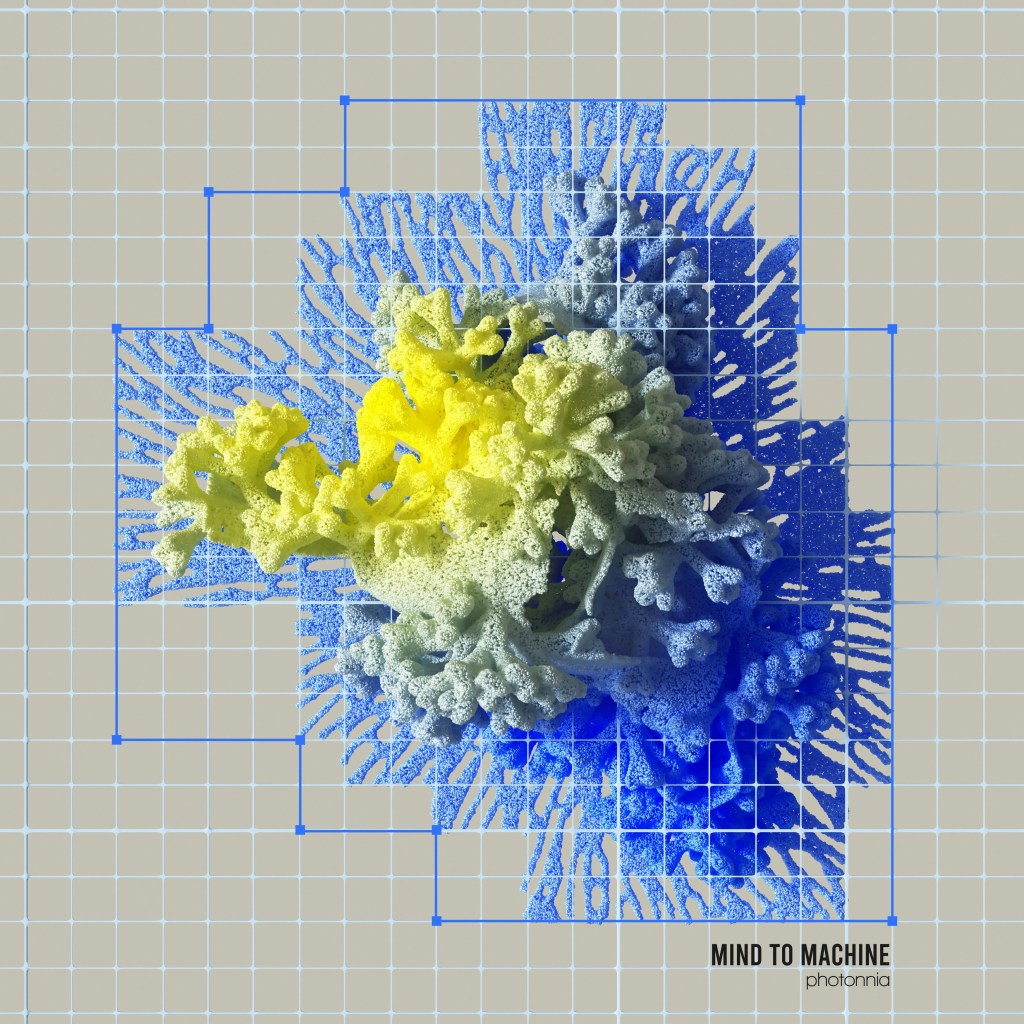
Cred că firul roșu al albumului nu este experimentul muzical în sine, ci experiența unei conștiințe care încearcă să se exprime din interiorul unei realități fracturate. Experimentalismul nu apare ca o alegere estetică sau ca un exercițiu intelectual, ci ca o consecință aproape inevitabilă a imposibilității de a mai utiliza limbajele muzicale convenționale pentru a descrie o experiență care, prin natura ei, nu mai este convențională. În acest sens, Mind to Machine nu propune o ruptură cu tradiția muzicii electronice, ci o reevaluare a funcției ei: muzica nu mai trebuie să ofere divertisment sau identificare colectivă, ci să devină un instrument de cartografiere a unor teritorii psihice și sociale pe care discursul obișnuit nu le mai poate reprezenta.
Albumul este construit din perspectiva unui autor format într-un spațiu postcomunist, iar această origine nu reprezintă doar un context biografic, ci însăși infrastructura filosofică a materialului. Societățile posttotalitare sunt marcate de o contradicție permanentă: adoptă rapid limbajele capitalismului global, însă păstrează în profunzime reflexele birocratice, ierarhiile simbolice și mecanismele de control moștenite din trecut. Într-un asemenea spațiu apare inevitabil un decalaj între dinamica lumii exterioare și transformările reale ale conștiinței individuale. Exteriorul pare sincronizat cu prezentul, în timp ce interiorul continuă să funcționeze după logici vechi, contradictorii și adesea incompatibile. Albumul transformă tocmai acest decalaj într-o metaforă sonoră. Distorsiunile, disonanțele, interferențele și aparentele rupturi structurale nu sunt accidente de compoziție, ci expresia unui sistem în care diferite epoci istorice coexistă simultan în aceeași conștiință.
Din punct de vedere psihologic, piesele nu încearcă să descrie stări afective în sens tradițional, ci procese cognitive aflate sub presiune. Muzica pare interesată de momentul în care percepția își pierde coerența, iar realitatea încetează să mai poată fi organizată într-o narațiune stabilă. În locul dezvoltării armonice apar acumulări de tensiune, suprapuneri de informații, voci sintetice, automatizări aparent arbitrare și structuri care ezită între ordine și haos. Aceste elemente nu ilustrează doar anxietatea, ci modul în care mintea încearcă să reconstruiască sensul atunci când acesta se fragmentează. Hazardul introdus prin gesturi spontane de mouse, automatizările imperfecte sau intervențiile algoritmice nu reprezintă renunțarea la control, ci acceptarea faptului că experiența umană conține întotdeauna o componentă imposibil de anticipat și de formalizat.
Există însă și o dimensiune sociologică esențială. Albumul poate fi ascultat ca o critică a felului în care societățile moderne administrează diferența. Instituțiile tind să reducă experiențele individuale la categorii, diagnostice, tipologii și comportamente observabile, în timp ce autorul insistă asupra caracterului ireductibil al trăirii subiective. Piesa Behaviourism exprimă poate cel mai clar această tensiune: vocea sintetică nu reprezintă doar o alegere estetică, ci întruchipează însuși limbajul impersonal al sistemului, un discurs care clasifică fără să înțeleagă și normalizează fără să asculte. Critica nu este îndreptată împotriva unei discipline sau profesii, ci împotriva oricărei structuri sociale care confundă complexitatea vieții psihice cu simpla administrare a comportamentului.
Aceeași logică se regăsește și în utilizarea text-to-speech-ului. Vocile artificiale nu sunt folosite pentru a simula umanitatea, ci dimpotrivă, pentru a evidenția distanța dintre limbaj și experiență. Textele generate aleatoriu, propozițiile aparent lipsite de sens și transformările progresive ale identității vocale ilustrează o lume în care comunicarea nu mai garantează înțelegerea, iar cuvintele devin simple obiecte algoritmice. În acest context, mașina nu apare ca antagonist, ci ca oglinda fidelă a unei societăți în care oamenii sunt tot mai des tratați asemenea unor sisteme informaționale.
Din perspectivă filosofică, Mind to Machine poate fi citit ca o reflecție asupra raportului dintre conștiință și tehnologie. Spre deosebire de discursurile contemporane despre inteligența artificială, albumul nu transferă actul creator către mașină. Dimpotrivă, insistă asupra faptului că intenția rămâne profund umană, chiar dacă anumite procese sunt delegate algoritmilor sau hazardului controlat. Automatizarea nu elimină autorul, ci îl obligă să accepte limitele propriului control. Titlul însuși exprimă această poziție: nu mașina produce mintea, ci mintea încearcă să se traducă într-un limbaj pe care mașina îl poate procesa. Procesul de creație devine astfel o negociere continuă între intenție și accident, între structură și emergență, între voință și imprevizibil.
În acest sens, albumul dialoghează implicit cu tradiția avangardei electronice din anii ’60 și ’70, însă nu prin imitarea esteticii sale, ci prin reluarea unei întrebări fundamentale: poate tehnologia extinde posibilitățile conștiinței fără a o înlocui? Dacă pionierii muzicii electronice explorau limitele sintetizatoarelor analogice și ale benzii magnetice, Mind to Machine investighează limitele software-ului contemporan, ale automatizării și ale inteligenței algoritmice. Diferența este că experimentul nu mai are ca miză descoperirea unui nou sunet, ci descoperirea unei forme adecvate de reprezentare a unei realități psihice și sociale profund instabile.
Toate aceste direcții converg într-o idee centrală: aparenta absurditate a albumului nu este lipsa ordinii, ci forma sonoră a unei ordini fragmentate. Muzica reflectă o lume în care temporalități diferite, sisteme politice diferite, modele culturale incompatibile și identități aflate în permanentă negociere coexistă simultan. Ea este produsul unor spații de fricțiune, unde interiorul și exteriorul nu mai evoluează sincron, unde individul trăiește într-un permanent lag între ceea ce simte și ceea ce societatea îi permite să exprime, între experiența personală și limbajele publice disponibile. În loc să ascundă aceste fisuri, albumul le transformă în material de compoziție.
Din această perspectivă, Mind to Machine nu este doar un EP experimental, ci o meditație asupra condiției creatorului într-o societate aflată la periferia modernității globale. Nu încearcă să sincronizeze experiența locală cu estetica dominantă a industriei muzicale internaționale și nici să adapteze particularul la gusturile unei piețe globale. Face gestul invers: pornește dintr-o experiență profund locală — aceea a unei conștiințe formate într-un spațiu postcomunist, traversat de contradicții istorice și instituționale — și o transformă într-un limbaj capabil să vorbească despre o criză universală a contemporaneității. Astfel, ceea ce la prima audiție poate părea zgomot, distorsiune sau incoerență se dovedește a fi, la o ascultare atentă, o metaforă sonoră a unei lumi în care ruptura a devenit însăși condiția normalității.
Link la EP pe Bandcamp : https://photonnia.bandcamp.com/album/mind-to-machine
English version
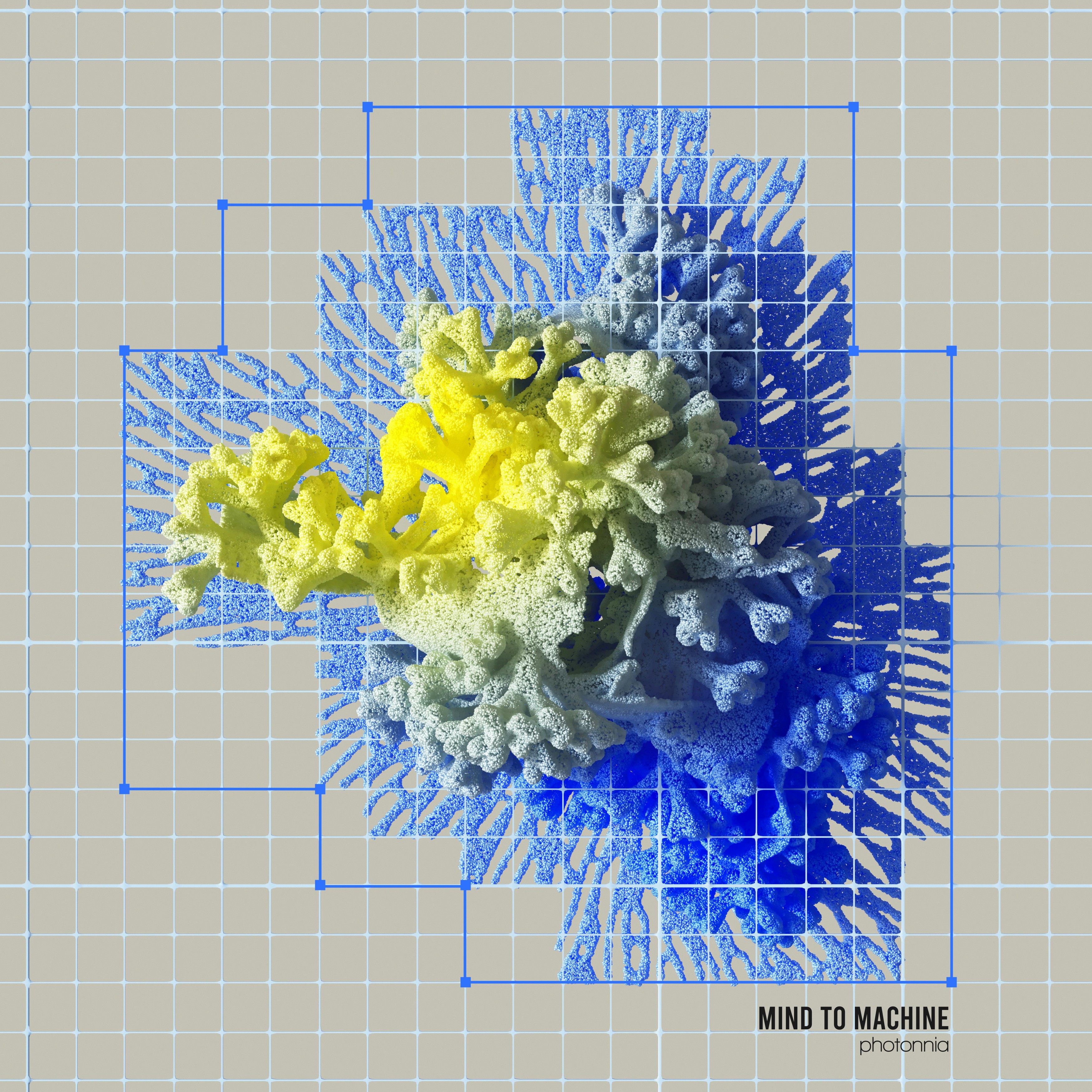
I believe the central thread running through this album is not musical experimentation itself, but the experience of a consciousness attempting to express itself from within a fractured reality. Experimentalism does not emerge here as an aesthetic preference or an intellectual exercise, but as the almost inevitable consequence of no longer being able to rely on conventional musical languages to describe an experience that is, by its very nature, unconventional. In this sense, Mind to Machine does not seek to break with the tradition of electronic music, but to redefine its function. Music is no longer expected to provide entertainment or collective identification; instead, it becomes an instrument for mapping psychological and social territories that ordinary language can no longer adequately represent.
The album is composed from the perspective of an artist shaped by the post-communist condition, and this origin is more than a biographical backdrop—it forms the philosophical infrastructure of the work itself. Post-totalitarian societies are defined by a permanent contradiction: they rapidly adopt the vocabulary of global capitalism while continuing to operate through bureaucratic reflexes, symbolic hierarchies, and institutional mechanisms inherited from the past. Such environments inevitably produce a gap between the pace of external modernization and the slower transformation of individual consciousness. Outwardly, society appears synchronized with the contemporary world; inwardly, it continues to function according to older, contradictory, and often incompatible logics. Mind to Machine transforms this discrepancy into sonic metaphor. Distortions, dissonances, interference, and structural discontinuities are not compositional accidents but expressions of a reality in which multiple historical eras coexist simultaneously within the same consciousness.
Psychologically, these pieces are not concerned with representing emotions in the traditional sense, but with exposing cognitive processes under pressure. The music focuses on the moment when perception begins to lose coherence and reality can no longer be organized into a stable narrative. Instead of conventional harmonic development, the listener encounters accumulations of tension, overlapping information, synthetic voices, seemingly arbitrary automation, and structures suspended between order and chaos. These elements do not merely illustrate anxiety; they explore the mind’s attempt to reconstruct meaning precisely at the point where meaning itself begins to fragment. Random mouse gestures, imperfect automation, and algorithmic interventions are therefore not gestures of surrender, but acknowledgements that human experience always contains dimensions resistant to prediction, categorization, and formal control.
The album also carries a strong sociological dimension. It can be heard as a critique of the way contemporary societies manage difference. Institutions tend to reduce singular human experiences to categories, diagnoses, behavioral patterns, and administrative definitions, while the music insists on the irreducibility of subjective experience. Behaviourism articulates this tension perhaps more clearly than any other piece. Its synthetic voice is not simply an aesthetic device; it embodies the impersonal language of institutional systems—a discourse that classifies without understanding and normalizes without listening. The criticism is directed not at psychology as a discipline, but at any social structure that mistakes the complexity of human consciousness for something that can be managed through standardized behavioral models alone.
The same principle governs the use of text-to-speech throughout the album. Artificial voices are not employed to imitate humanity, but to expose the growing distance between language and lived experience. Randomly generated texts, fragmented phrases, and gradually shifting vocal identities depict a world in which communication no longer guarantees understanding, and words themselves become algorithmic objects detached from meaning. In this context, the machine does not function as an antagonist. Rather, it becomes a mirror reflecting a society increasingly inclined to treat human beings as informational systems rather than conscious individuals.
Philosophically, Mind to Machine can be understood as a meditation on the relationship between consciousness and technology. Unlike much contemporary discourse surrounding artificial intelligence, the album does not transfer authorship to the machine. On the contrary, it insists that creative intention remains fundamentally human, even when certain processes are delegated to algorithms or controlled randomness. Automation does not eliminate the author; it forces the author to confront the limits of control itself. The title encapsulates this position. It is not the machine that generates the mind, but the mind attempting to translate itself into a language the machine is capable of processing. Composition thus becomes a continuous negotiation between intention and accident, structure and emergence, control and unpredictability.
In this respect, the album quietly enters into dialogue with the experimental electronic traditions of the 1960s and 1970s—not by reproducing their aesthetics, but by revisiting one of their essential questions: can technology expand the possibilities of consciousness without replacing it? If the pioneers of electronic music explored the limits of analog synthesizers, magnetic tape, and early studios, Mind to Machine investigates the expressive limits of contemporary software, automation, algorithmic processes, and computational systems. Yet its objective is fundamentally different. The experiment is no longer driven by the search for new sounds, but by the search for an adequate language capable of representing a psychological and social reality that has itself become unstable.
All these ideas ultimately converge into a single proposition: the album’s apparent absurdity is not the absence of order, but the sonic form of a fractured order. The music reflects a world in which multiple temporalities, political systems, cultural paradigms, and conflicting identities coexist simultaneously. It is created within spaces of friction, where internal experience and external reality no longer evolve in synchrony, where individuals inhabit a permanent state of lag between what they genuinely experience and what society allows them to express, between subjective reality and the public languages available to describe it. Rather than concealing these fractures, the album transforms them into compositional material.
From this perspective, Mind to Machine is far more than an experimental electronic EP. It is a philosophical reflection on the condition of the artist working from the periphery of global modernity. It does not attempt to synchronize local experience with the dominant aesthetics of the international music industry, nor does it seek to reshape the particular into something globally marketable. Instead, it performs the opposite gesture. It begins with an intensely local condition—that of a consciousness formed within a post-communist society marked by historical contradictions, institutional ambiguities, and unresolved cultural tensions—and transforms it into a language capable of addressing one of the defining crises of contemporary existence. What initially appears as noise, distortion, or incoherence gradually reveals itself, upon closer listening, as a sonic metaphor for a world in which rupture has itself become the new condition of normality.
Link to the EP on Bandcamp : https://photonnia.bandcamp.com/album/mind-to-machine


Leave a Reply