Română
O conversație imposibilă cu Vangelis
Există albume care încearcă să demonătă virtuozitate tehnică și există albume care încearcă să demonstreze apartenența la un gen. Fractured Spaces, cel mai recent EP semnat Photonnia, nu pare interesat de niciuna dintre aceste direcții. El propune altceva: un eseu sonor despre memorie, tehnologie și melancolie, construit ca o succesiune de spații mentale în care ascultătorul este invitat să pătrundă fără o hartă prestabilită.
Photonnia este, prin definiție, un proiect al libertății. Aici, compoziția, structura, ritmul și designul sonor nu urmează rețete, ci sunt tratate ca materiale aflate într-o continuă stare de negociere. Unele dintre piesele EP-ului au fost compuse aproape spontan, în doar câteva ore, printr-un proces intuitiv de improvizație și explorare. Însă spontaneitatea nu trebuie confundată cu hazardul. Ea funcționează mai degrabă asemenea unui exercițiu dadaist în care artistul provoacă deliberat accidente fertile, lăsând ideile să se organizeze singure înainte ca rațiunea să le transforme în convenție.
La o primă audiție, referințele către Vangelis sunt inevitabile. Totuși, ele nu apar acolo unde ne-am aștepta. Nu sintetizatoarele, reverburile sau armoniile sunt cele care trădează influența maestrului grec, ci libertatea cu care muzica refuză structurile previzibile. Vangelis a fost unul dintre puținii compozitori electronici care părea să descopere muzica în timp ce o interpreta, evitând aproape instinctiv repetarea propriilor formule de succes. În același spirit, Fractured Spaces renunță la ideea unei arhitecturi rigide și preferă să lase fiecare piesă să evolueze organic, ca și cum ar fi surprinsă în momentul nașterii ei.
În acest sens, EP-ul nu este un tribut nostalgic. Nostalgia încearcă să reconstruiască trecutul. Aici se întâmplă exact opusul. Fractured Spaces poartă trecutul în prezent și îl lasă să dialogheze cu instrumentele contemporane. Albumul poate fi ascultat ca o conversație imposibilă între un copil care, la începutul anilor ’90, își petrecea ore întregi refugiindu-se în universul sonor al lui Vangelis și artistul matur care, decenii mai târziu, revine cu propriul limbaj pentru a-i răspunde. Nu este încercarea de a compune “ca Vangelis”, ci de a continua o discuție rămasă neterminată.
Fiecare piesă devine astfel un capitol al acestei corespondențe imaginare. Digital Rapture transformă spiritualitatea într-o experiență cibernetică, unde clopotele digitale și buclele de feedback evocă suflete sintetice ridicându-se spre un cer construit din algoritmi. Replicant explorează condiția ființei artificiale cu o sensibilitate profund umană, evocând nu atât estetica Blade Runner, cât singurătatea existențială a unui organism conștient de propria finitudine. Jupiter abandonează spectacolul cosmic în favoarea contemplației, preferând privirea tăcută asupra infinitului în locul grandorii hollywoodiene. Transmission funcționează asemenea unei transmisii interceptate între epoci sau conștiințe, iar piesa titulară, Fractured Spaces, sintetizează întregul demers printr-o arhitectură sonoră în care tăcerea și spațiul devin la fel de importante ca sunetul însuși.
Această preocupare pentru spațiu reprezintă poate cea mai originală dimensiune a EP-ului. Muzica nu pare construită din melodii, ci din volume, distanțe și perspective. Se simte o gândire aproape arhitecturală, în care fiecare element este plasat cu grijă pentru a defini un loc imaginar. În loc să umple fiecare secundă cu informație, piesele lasă goluri fertile, invitând ascultătorul să participe activ la completarea lor. În acest sens, Fractured Spaces nu propune un peisaj sonor, ci o arhitectură a percepției.
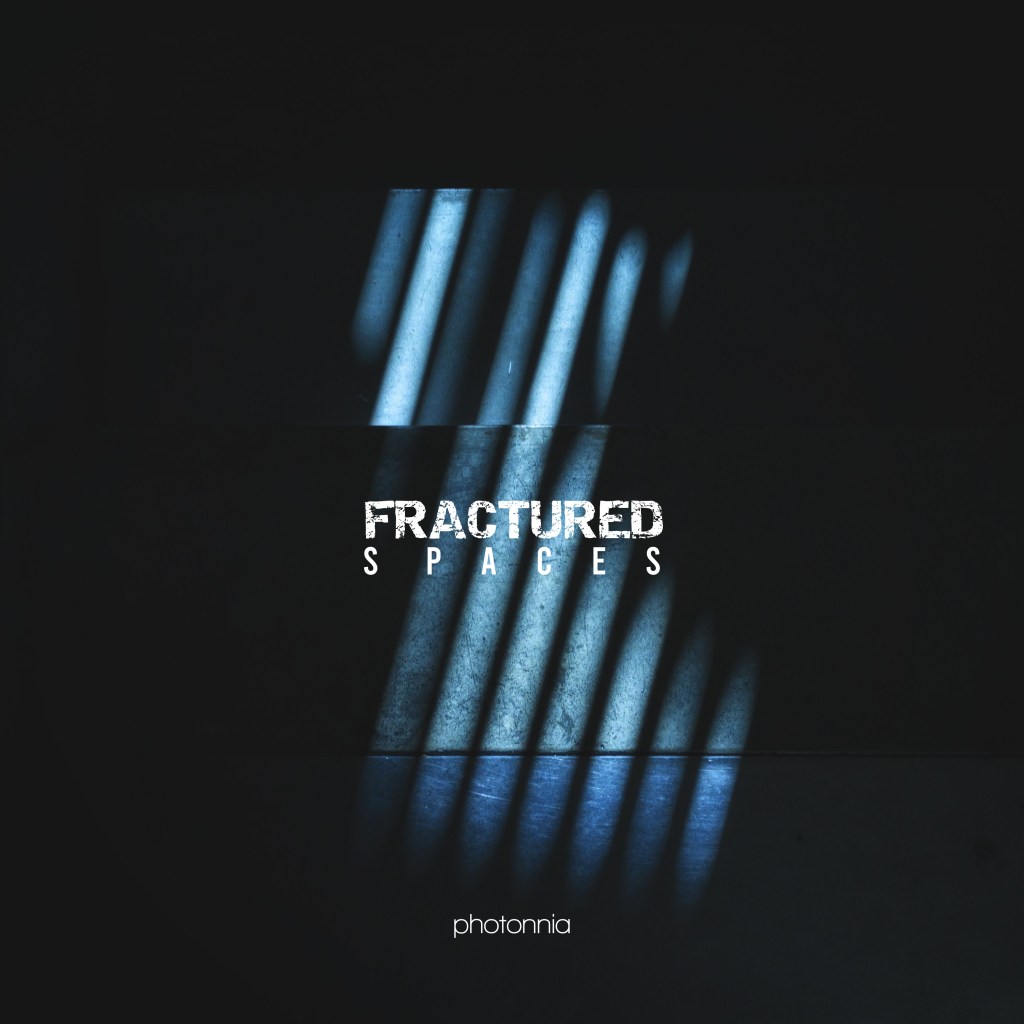
Coperta albumului completează perfect această intenție. Benzile de lumină care fragmentează întunericul, textura aproape fotografică și tipografia austeră evită orice clișeu al science-fiction-ului contemporan. Nu există planete spectaculoase, androizi sau galaxii. Există doar un spațiu anonim, rece și ambiguu, suficient de abstract încât să permită muzicii să-i atribuie propriul sens. Este aceeași estetică a sugestiei care caracterizează întregul EP.
Într-o perioadă în care mare parte din muzica electronică este construită pentru algoritmi, playlisturi și formule recognoscibile în primele treizeci de secunde, Fractured Spaces își asumă riscul de a rămâne un obiect artistic profund personal. Nu caută validarea imediată și nici nu încearcă să demonstreze performanță tehnică. În schimb, propune un univers coerent, traversat de întrebări despre memorie, tehnologie, identitate și transcendere.
Poate că cea mai frumoasă definiție a acestui EP nu este aceea de album experimental și nici aceea de omagiu. Fractured Spaces este, mai degrabă, documentul unei conversații imposibile. O conversație purtată peste timp între un artist contemporan și muzica care l-a format, în care sintetizatoarele digitale de astăzi îi povestesc lui Vangelis despre melancolia unui copil care, ascultându-i albumele cu decenii în urmă, descoperea pentru prima dată că muzica poate deveni un loc în care să trăiești. Nu multe albume experimentale reușesc să transforme această idee într-o experiență auditivă coerentă. Acesta este unul dintre ele.
Link la EP pe Bandcamp : https://photonnia.bandcamp.com/album/fractured-spaces
English version
An Impossible Conversation with Vangelis
There are albums that seek to showcase technical virtuosity, and there are albums that strive to affirm their place within a particular genre. Fractured Spaces, the latest EP by Photonnia, seems uninterested in either pursuit. Instead, it offers something far more personal: a sonic essay on memory, technology, and melancholy, unfolding as a sequence of mental spaces where the listener is invited to wander without a predetermined map.
Photonnia is, by definition, a project built on freedom. Composition, rhythm, structure, and sound design are never treated as fixed conventions but as materials in a constant state of negotiation. Some of the pieces on this EP were created almost spontaneously, within only a few hours, through an intuitive process of improvisation and exploration. Yet spontaneity should not be mistaken for randomness. Rather, it resembles a digital form of Dadaism, where creative accidents are deliberately encouraged, allowing ideas to organize themselves before reason has the chance to reshape them into convention.
At first listen, the influence of Vangelis is unmistakable. Yet it appears in unexpected places. It is not the synthesizers, the reverbs, or even the harmonic language that reveal his presence, but the structural freedom that permeates every composition. Vangelis was one of the few electronic composers who seemed to discover music as he played it, instinctively avoiding formulas that had already brought him success. Fractured Spaces follows the same philosophy, abandoning predictable architectures in favor of pieces that unfold organically, as though captured in the very act of becoming.
For this reason, the EP should not be understood as an exercise in nostalgia. Nostalgia attempts to recreate the past; Fractured Spaces carries the past into the present and allows it to converse with contemporary tools. It can be heard as an impossible dialogue between a child who spent countless hours immersed in Vangelis’ music during the early 1990s and the artist who, decades later, returns with his own vocabulary to continue that unfinished conversation. It is not an attempt to compose like Vangelis—it is an attempt to answer him.
Each composition becomes another chapter in this imagined correspondence. Digital Rapture transforms spirituality into a cybernetic experience, where digital bells and cascading feedback loops evoke synthetic souls ascending toward an algorithmic heaven. Replicant explores artificial consciousness with deeply human sensitivity, echoing not merely the aesthetics of Blade Runner, but the existential loneliness of a being painfully aware of its own limited lifespan. Jupiter abandons cinematic spectacle in favor of quiet contemplation, choosing silent wonder over cosmic grandeur. Transmission feels like a signal intercepted across time, while the title track, Fractured Spaces, encapsulates the entire project through an architecture in which silence and space become as meaningful as sound itself.
Perhaps the EP’s most distinctive achievement lies precisely in this obsession with space. These compositions do not seem to be built primarily from melodies but from distances, perspectives, and volumes. There is an almost architectural way of thinking behind them, where every sonic element defines an imaginary place. Instead of filling every second with information, the music leaves generous empty spaces, inviting the listener to complete them through their own perception. In this sense, Fractured Spaces offers not simply a soundscape, but an architecture of consciousness.
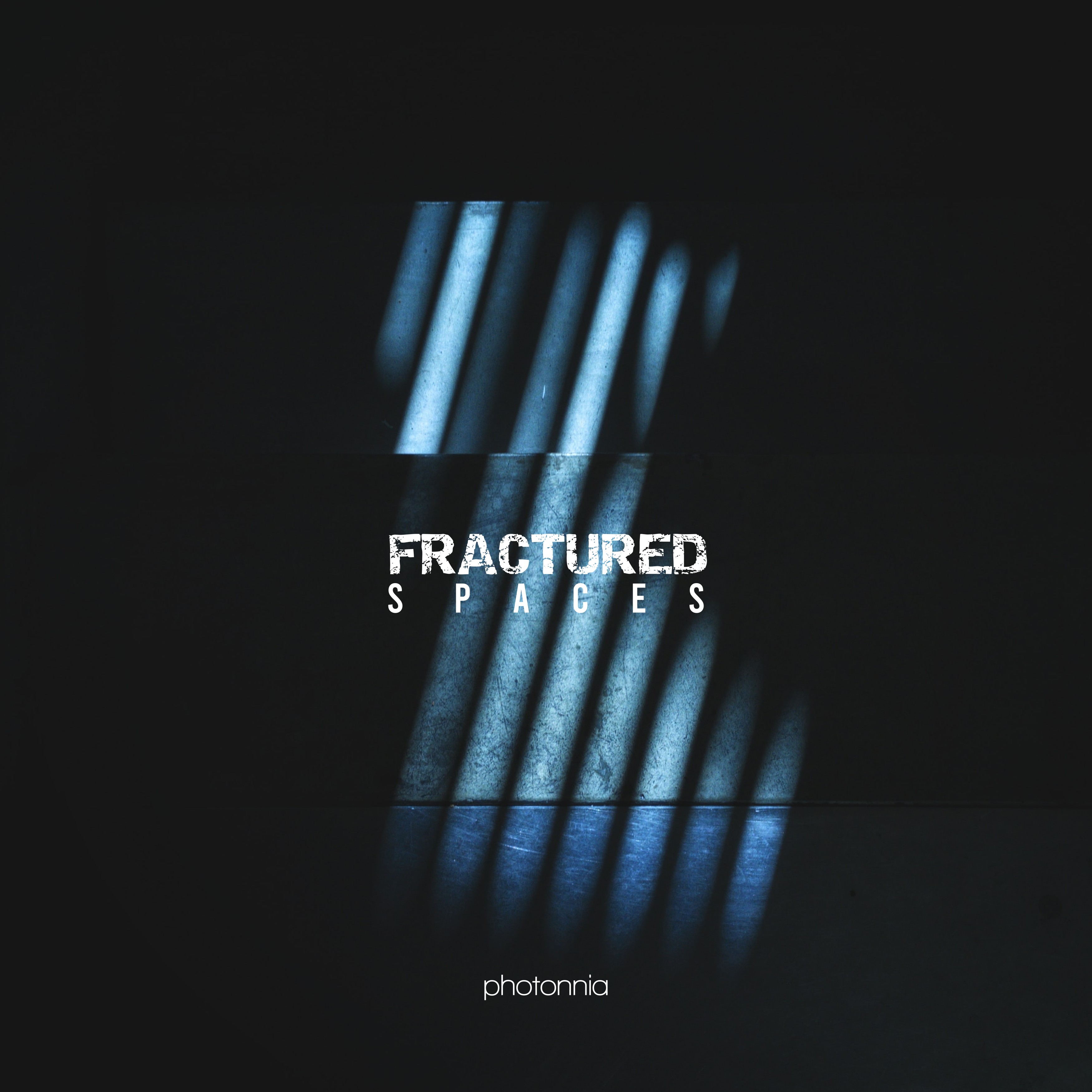
The cover artwork perfectly reinforces this intention. Bands of light cutting through darkness, subtle photographic textures, and restrained typography avoid virtually every contemporary science-fiction cliché. There are no planets, androids, or galaxies—only an anonymous, ambiguous space that remains deliberately undefined, allowing the music to provide its meaning. It is the same aesthetic of suggestion that permeates the entire EP.
At a time when much electronic music is increasingly designed for algorithms, playlists, and instant recognition, Fractured Spaces deliberately embraces the opposite path. It makes no attempt to impress through technical perfection or immediate accessibility. Instead, it presents a coherent artistic universe shaped by questions of memory, technology, identity, and transcendence.
Perhaps the most fitting way to describe this work is neither as an experimental record nor as a tribute. Fractured Spaces is the document of an impossible conversation—a dialogue carried across decades between an artist and the music that shaped him. Through today’s digital instruments, it quietly tells Vangelis about the melancholy of a twelve-year-old boy who once discovered, while listening to his albums, that music could become a place to inhabit. Few experimental electronic records manage to transform such an intimate premise into such a coherent listening experience. Fractured Spaces is one of them.
Link to the EP on Bandcamp : https://photonnia.bandcamp.com/album/fractured-spaces


Leave a Reply