Varianta în limba română
“Aether – cartografierea unui teritoriu dintre memorie și identitate
Lansat în 2020 sub pseudonimul Aniak, Aether este construit în jurul unei idei care precede atât muzica, cât și alegerile tehnice de producție. În centrul proiectului nu se află un stil muzical anume și nici intenția de a recrea o anumită perioadă din istoria muzicii electronice, ci o investigație asupra modului în care memoria transformă experiența și asupra felului în care trecutul continuă să existe în prezent.
Acest nucleu conceptual este vizibil încă din titlurile pieselor. Aether, Pneuma, Psyche, Soma și Exodus formează împreună un traseu simbolic inspirat din concepte care au traversat filosofia, spiritualitatea și psihologia de-a lungul secolelor. Nu sunt simple cuvinte cu rezonanță misterioasă, ci repere ale unei călătorii interioare.
Aether reprezintă spațiul subtil, mediul invizibil al posibilităților și al potențialului. Pneuma este suflul vital, energia care pune lucrurile în mișcare. Psyche aduce în prim-plan conștiința, memoria și lumea interioară. Soma marchează revenirea în corp, în concretul experienței trăite. În cele din urmă, Exodus sugerează ieșirea, transformarea sau depășirea unei stări anterioare.
Privit prin această lentilă, EP-ul descrie un proces de coborâre graduală dinspre abstract către personal și apoi o tentativă de reconciliere cu ceea ce este descoperit pe parcurs.
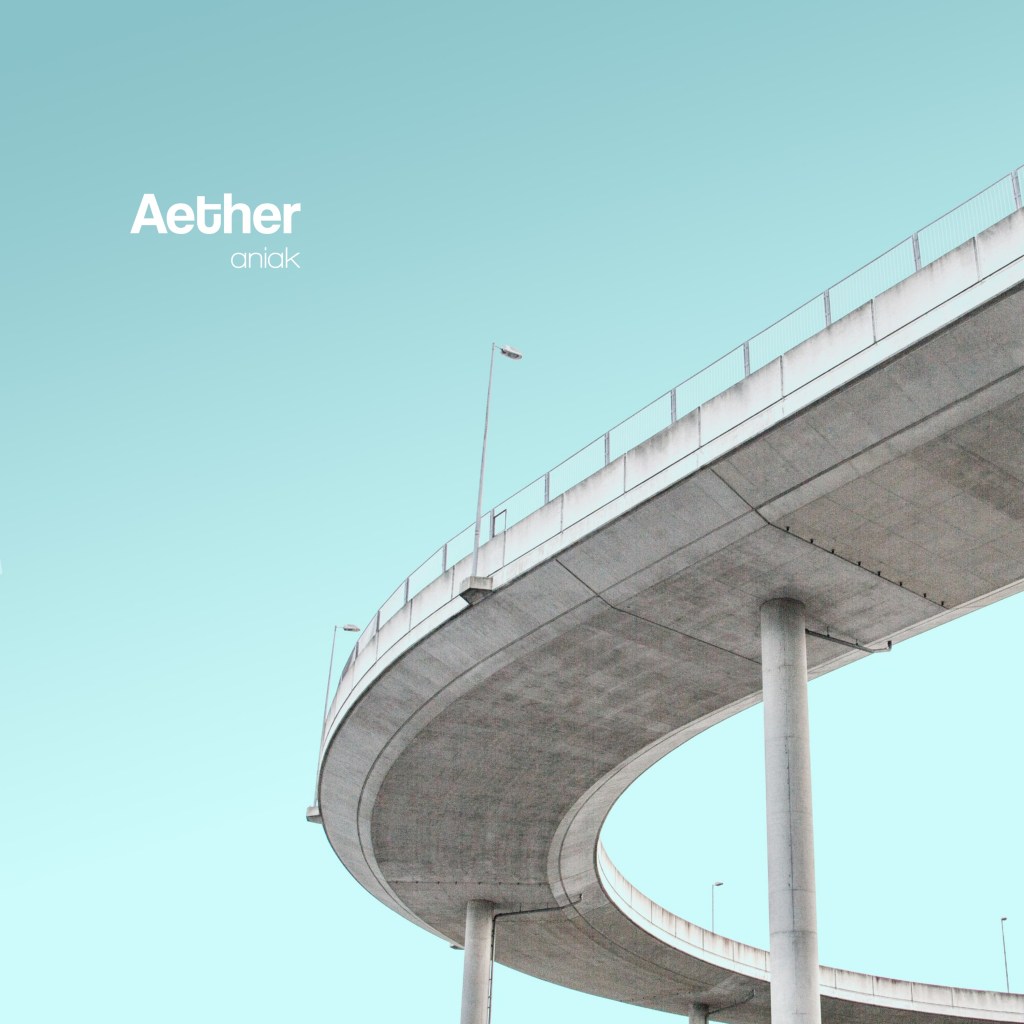
Aceeași idee apare și în copertă. Imaginea unui pasaj suspendat care dispare în afara cadrului nu oferă nici origine, nici destinație. Există doar traseul. Podul nu pare să conecteze două locuri geografice, ci două stări de conștiință. Suspendat într-un spațiu aproape gol, el devine o metaforă pentru memoria însăși: o structură construită între ceea ce am fost și ceea ce am devenit.
În acest context, alegerile de producție ale EP-ului capătă o semnificație care depășește simpla estetică sonoră.
Deși proiectul își are originile într-o fascinație veche pentru electronica underground a anilor ’90, el evită deliberat multe dintre semnele exterioare asociate nostalgiei. Nu încearcă să reproducă fidel imperfecțiunile tehnice ale epocii și nici să transforme trecutul într-un obiect muzeal. Dimpotrivă, sunetul este curățat, aerisit și simplificat.
Această alegere poate fi înțeleasă ca o extensie directă a temei centrale a albumului.
Dacă memoria este privită ca un proces continuu de reinterpretare a trecutului, atunci producția devine o formă de restaurare. Nu este restaurat un sunet vechi, ci însăși relația cu trecutul. Straturile inutile sunt eliminate. Texturile excesiv de încărcate sunt reduse. Elementele sonore primesc spațiu să respire.
Astfel, ceea ce la prima vedere pare o decizie tehnică devine o poziție conceptuală.
Spațiul dintre sunete reflectă spațiul dintre amintiri.
Aerul din mix reflectă distanța temporală dintre experiență și rememorarea ei.
Claritatea sonoră reflectă încercarea de a separa esențialul de zgomotul emoțional acumulat în timp.
În această lumină, noțiunile de „curat” și „murdar” nu mai aparțin exclusiv limbajului producției muzicale. Ele devin categorii psihologice.
Ce parte din trecut reprezintă experiența propriu-zisă și ce parte reprezintă doar reziduul afectiv rămas după ani de reinterpretări? Ce anume păstrăm atunci când ne amintim? Ce eliminăm? Ce reconstruim fără să ne dăm seama?
Multe dintre deciziile de mixaj par să graviteze în jurul acestor întrebări. EP-ul evită aglomerarea inutilă și preferă o organizare clară a spațiului sonor. Elementele coexistă fără să se sufoce reciproc, iar dinamica este păstrată suficient de deschisă pentru a permite muzicii să respire. În locul unei densități compacte și agresive, întâlnim o arhitectură sonoră bazată pe distanțe, perspective și relații între obiecte.
Există aici o analogie subtilă cu imaginea podului de pe copertă. Așa cum structura de beton traversează un spațiu gol, fiecare element muzical pare să existe în raport cu spațiul care îl înconjoară. Tăcerea și distanța devin la fel de importante precum sunetele însele.
Același principiu se regăsește și în masterizare. EP-ul nu urmărește competiția contemporană pentru volum maxim și impact instantaneu. În schimb, păstrează suficientă dinamică pentru a conserva senzația de profunzime și de deschidere. Alegerea este perfect coerentă cu tema proiectului. Un album despre memorie și introspecție nu are nevoie să domine ascultătorul; are nevoie să îi permită să intre într-un spațiu.
În acest sens, Aether nu funcționează ca o declarație nostalgică despre trecut și nici ca un exercițiu de reconstituire stilistică. Mai degrabă, el explorează ceea ce se întâmplă cu experiențele după ce trec prin filtrul anilor. Electronica anilor ’90 apare aici nu ca destinație estetică, ci ca material arheologic. Este punctul din care începe săpătura.
Rezultatul este un proiect în care filosofia, psihologia și producția muzicală nu funcționează separat, ci se reflectă reciproc. Titlurile, coperta, structura conceptuală, spațialitatea mixului, claritatea texturilor și refuzul nostalgiei facile par să provină din aceeași întrebare fundamentală: ce rămâne din noi după ce timpul își face treaba?
Aether nu încearcă să recupereze trecutul. El investighează forma pe care trecutul o are astăzi în memorie. Iar muzica devine instrumentul prin care această investigație este realizată, transformând EP-ul într-o meditație asupra identității, a transformării și a spațiului fragil dintre experiență și amintire.
Link la EP pe Bandcamp : https://aniak.bandcamp.com/album/aether-ep
English version
Aether – mapping a territory between memory and identity
Released in 2020 under the Aniak alias, Aether is built around an idea that precedes both the music and the technical production choices. At its core lies neither a specific musical style nor an attempt to recreate a particular era of electronic music, but rather an exploration of how memory transforms experience and how the past continues to exist within the present.
This conceptual foundation is already apparent in the track titles. Aether, Pneuma, Psyche, Soma, and Exodus form a symbolic sequence inspired by concepts that have traversed philosophy, spirituality, and psychology for centuries. These are not merely evocative words, but markers of an inner journey.
Aether represents the subtle realm of possibility and potential. Pneuma is the vital breath, the force that animates movement and life. Psyche introduces consciousness, memory, and the inner world. Soma brings the journey back into the body and the reality of lived experience. Finally, Exodus suggests departure, transformation, or the transcendence of a previous state.
Viewed through this lens, the EP unfolds as a gradual descent from abstraction into personal experience, followed by an attempt to reconcile with what is discovered along the way.
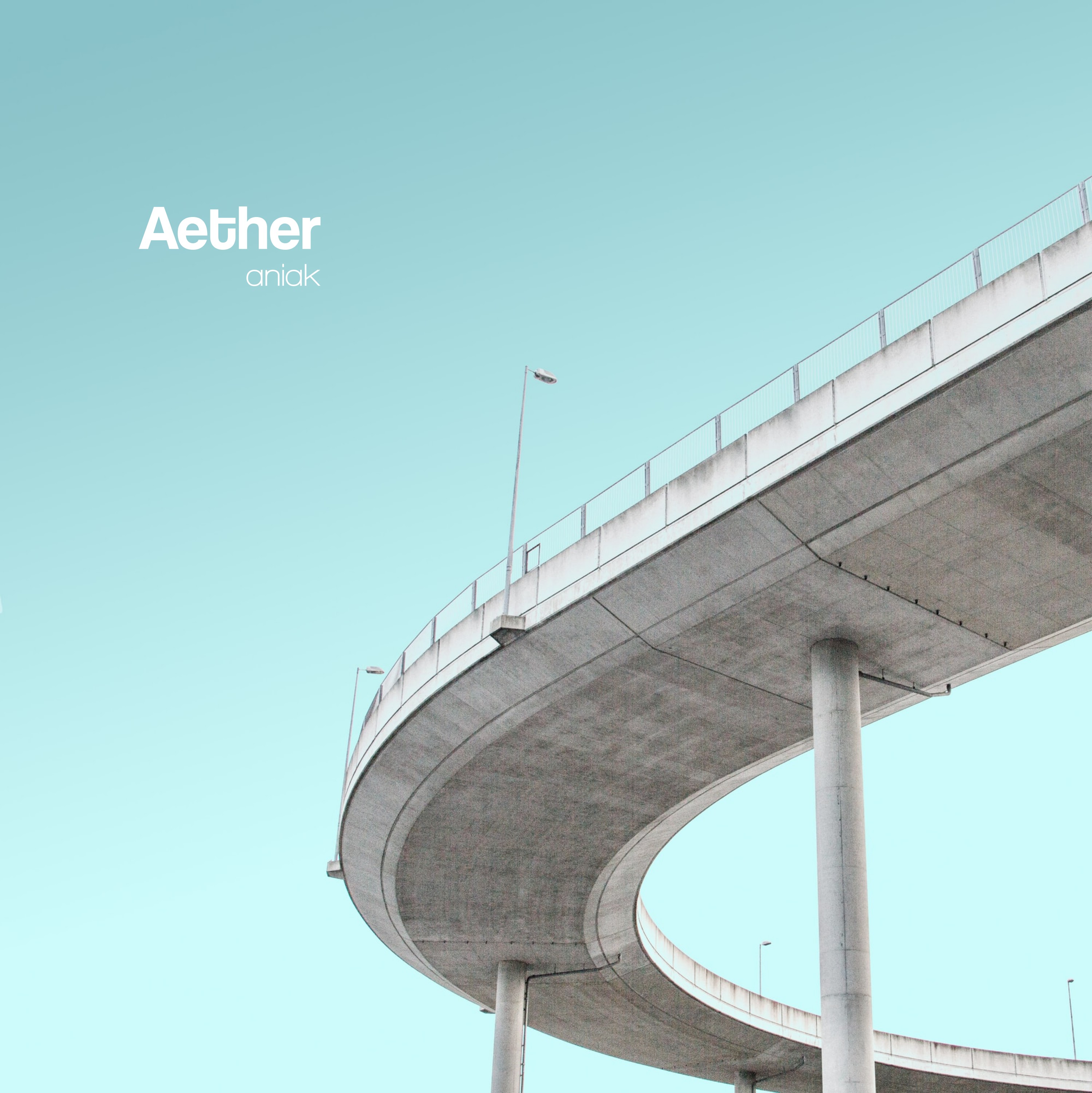
The same idea is reflected in the artwork. The image of a suspended overpass disappearing beyond the frame offers neither a visible beginning nor a destination. Only the path itself remains. Rather than connecting two physical locations, the structure appears to bridge two states of consciousness. Suspended within an almost empty space, it becomes a metaphor for memory itself: a construction built between who we once were and who we have become.
Within this context, the production choices acquire a significance that extends far beyond mere sonic aesthetics.
Although the project originates in a long-standing fascination with the underground electronic music of the 1990s, it deliberately avoids many of the surface-level signs commonly associated with nostalgia. It does not seek to faithfully reproduce the technological imperfections of that era, nor does it attempt to turn the past into a museum exhibit. Instead, the sound is intentionally refined, spacious, and stripped of excess.
This decision can be understood as a direct extension of the album’s central theme.
If memory is viewed as an ongoing process of reinterpretation, then production becomes a form of restoration. What is being restored is not an old recording, but a relationship with the past itself. Unnecessary layers are removed. Overloaded textures are simplified. Sonic elements are given room to breathe.
What initially appears to be a technical choice becomes a conceptual position.
The space between sounds mirrors the space between memories.
The air within the mix reflects the temporal distance between experience and recollection.
The clarity of the sonic architecture reflects an attempt to separate what is essential from the emotional residue accumulated over time.
In this light, the notions of “clean” and “dirty” no longer belong exclusively to the vocabulary of audio production. They become psychological categories.
What part of the past belongs to the experience itself, and what part consists merely of emotional sediment? What do we preserve when we remember? What do we discard? What do we unknowingly reconstruct?
Many of the mixing decisions appear to revolve around these questions. The EP avoids unnecessary density in favor of a carefully organized sonic space. Individual elements coexist without overwhelming one another, while enough dynamic range is preserved to allow the music to breathe. Instead of pursuing a compact and aggressive sound, the music is built around distance, perspective, and relationships between sonic objects.
There is a subtle parallel here with the bridge depicted on the cover. Just as the concrete structure traverses an open expanse, each musical element exists in relation to the space surrounding it. Silence and distance become as meaningful as the sounds themselves.
The same principle extends into the mastering stage. The EP does not participate in the contemporary pursuit of maximum loudness and immediate impact. Instead, it preserves enough dynamic depth to maintain a sense of openness and dimensionality. This choice is entirely consistent with the project’s underlying concept. An album concerned with memory and introspection does not need to dominate the listener; it needs to invite them into a space.
In this sense, Aether functions neither as a nostalgic statement about the past nor as a stylistic reconstruction. Rather, it explores what happens to experiences after they have passed through the filter of time. The electronic music of the 1990s serves not as an aesthetic destination, but as archaeological material—the point at which the excavation begins.
The result is a work in which philosophy, psychology, and music production are inseparable from one another. The titles, artwork, conceptual framework, spacious mixing, refined textures, and rejection of easy nostalgia all appear to emerge from the same fundamental question: what remains of us after time has done its work?
Aether does not attempt to recover the past. It investigates the shape that the past assumes within memory today. Music becomes the instrument through which this investigation unfolds, transforming the EP into a meditation on identity, transformation, and the fragile space that exists between experience and remembrance.
Link to the EP on Bandcamp : https://aniak.bandcamp.com/album/aether-ep


Leave a Reply