Varianta în limba română
Nostalgia Magnetică este un proiect de reinterpretare sonoră construit în jurul unui paradox cultural aparent simplu: de ce anumite piese ale muzicii pop românești continuă să trăiască în memoria afectivă a mai multor generații, în timp ce limbajul lor sonor pare să fi rămas blocat într-o epocă tehnologică apusă? Pornind de la această întrebare, proiectul propune o serie de reorchestrări și reconstrucții electronice ale unor cântece emblematice din perioada comunistă, nu ca exerciții nostalgice și nici ca tentative de restaurare istorică, ci ca experimente speculative. Fiecare piesă este tratată ca un obiect cultural deschis, ca o posibilitate neterminată, ca o lucrare care poate continua să evolueze dincolo de condițiile tehnice și ideologice care au produs-o.
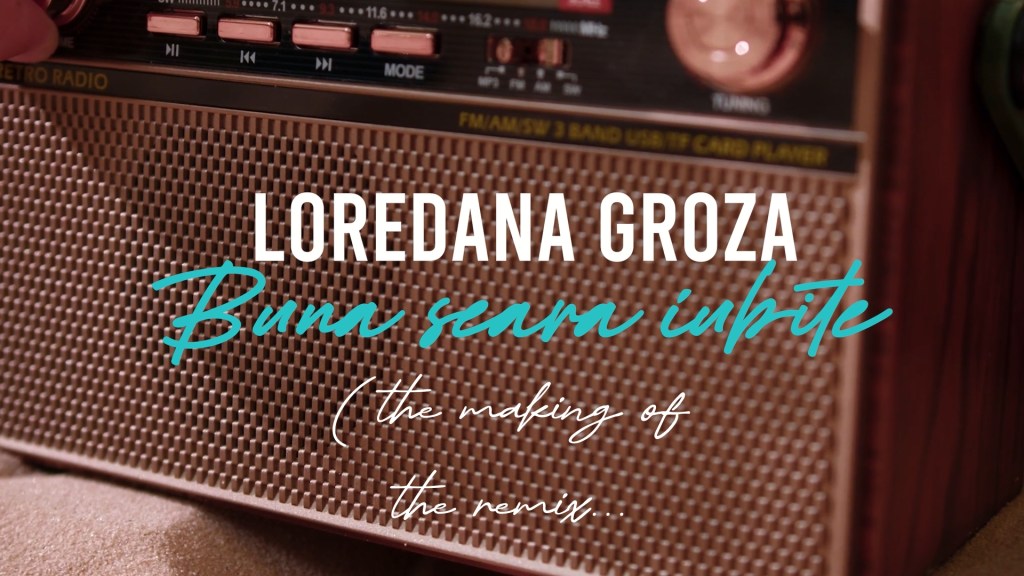
Remixul piesei „Bună seara, iubito” ocupă un loc aparte în această serie. Melodia a rămas prezentă în memoria autorului încă din copilărie, ca o apariție stranie și persistentă, un fragment sonor care a supraviețuit deceniilor fără a-și pierde forța evocatoare. În această versiune, procesul de producție nu urmărește modernizarea superficială a materialului original, ci încearcă să răspundă unei întrebări contrafactuale: cum ar fi putut suna această piesă dacă ar fi beneficiat de libertatea estetică, de resursele tehnologice și de paletarul sonor disponibile în studiourile occidentale ale aceleiași epoci? Astfel, remixul devine mai puțin o intervenție asupra trecutului și mai degrabă o explorare a unui trecut alternativ.
Dincolo de dimensiunea muzicală, proiectul se situează într-o zonă de reflecție asupra raportului dintre centru și periferie în producția culturală contemporană. El pornește de la observația că democratizarea instrumentelor digitale a modificat profund condițiile creației artistice. Dacă în trecut accesul la studiouri, orchestre, echipamente și distribuție era rezervat unui număr limitat de instituții și profesioniști, astăzi un individ aflat într-un oraș de provincie poate reconstrui, analiza și reimagina patrimoniul sonor al unei întregi epoci folosind resurse minime. În acest sens, proiectul funcționează și ca o formă de comentariu critic asupra inerției culturale. El pune sub semnul întrebării ritmul lent în care anumite instituții muzicale reinterpretează propriul patrimoniu și propune, implicit, ideea că inovația nu mai este condiționată exclusiv de apartenența la centrele consacrate ale producției culturale.
Există totodată o dimensiune profund autobiografică a demersului. Piesele reunite sub titlul Nostalgia Magnetică nu sunt alese pe criterii canonice și nici în funcție de prestigiul lor istoric. Ele sunt selectate dintr-o arhivă personală a memoriei afective, dintr-un teritoriu în care experiența individuală se intersectează cu memoria colectivă. Fiecare remix reprezintă o încercare de a negocia relația dintre copilul care a ascultat pentru prima dată aceste melodii și adultul care dispune acum de instrumentele necesare pentru a le reimagina. În acest sens, procesul artistic capătă caracterul unei conversații purtate peste decenii între două versiuni ale aceluiași individ.
Titlul proiectului trimite tocmai la această forță de atracție exercitată de anumite obiecte culturale asupra memoriei. „Nostalgia” desemnează legătura afectivă cu trecutul, în timp ce „magnetismul” sugerează persistența și capacitatea unor imagini, sunete sau emoții de a reveni constant în conștiință. Proiectul nu urmărește glorificarea trecutului și nici recuperarea sa muzeală. Dimpotrivă, el tratează memoria ca pe un material viu, supus reinterpretării continue.
În acest context, Nostalgia Magnetică poate fi înțeleasă ca o lucrare despre memorie culturală, tehnologie și autonomie creativă. Ea explorează posibilitatea ca patrimoniul sonor să nu aparțină exclusiv instituțiilor care îl administrează, ci și indivizilor care continuă să îl poarte în propria memorie și să îl reactiveze prin intermediul noilor tehnologii. Remixurile devin astfel nu doar produse muzicale, ci și gesturi simbolice care afirmă dreptul imaginației individuale de a dialoga cu trecutul și de a propune noi forme de existență pentru acesta în prezent.
Nota : Acest material face parte dintr-un proiect artistic independent realizat în scop satiric și critic (pamflet). Remixurile conțin fragmente vocale extrase din înregistrări muzicale românești preexistente, utilizate într-un context transformativ, cu intenție de comentariu cultural și critică artistică asupra mediului mediatic și cultural contemporan din România.
Toate drepturile asupra înregistrărilor originale, compozițiilor și interpretărilor aparțin autorilor, artiștilor, producătorilor și titularilor de drepturi respectivi. Utilizarea fragmentelor în acest proiect nu urmărește substituirea operelor originale și nu are scop comercial.
Acest material este realizat exclusiv în spirit de pamflet și experiment artistic, fără intenția de a aduce prejudicii artiștilor sau titularilor de drepturi. Dacă un titular de drepturi consideră că utilizarea unui fragment depășește limitele rezonabile ale parodiei sau citatului artistic, este încurajată contactarea autorului pentru clarificare sau eliminarea materialului.
Prin natura sa, acest proiect reprezintă o reinterpretare artistică și nu implică nicio afiliere, aprobare sau susținere din partea artiștilor sau a titularilor de drepturi ai materialelor originale.
_____________________________________________________________________________________
English version
Magnetic Nostalgia is a sound reinterpretation project built around an apparently simple cultural paradox: why do certain pieces of Romanian pop music continue to live on in the affective memory of multiple generations, while their sonic language seems to have remained locked in a bygone technological era? Starting from this question, the project proposes a series of re-orchestrations and electronic reconstructions of emblematic songs from the communist period, not as nostalgic exercises nor as attempts at historical restoration, but as speculative experiments. Each piece is treated as an open cultural object, an unfinished possibility, a work that can continue to evolve beyond the technical and ideological conditions that produced it.
The remix of the song “Bună seara, iubito” occupies a special place within this series. The melody has remained present in the author’s memory since childhood, like a strange and persistent apparition, a sonic fragment that has survived decades without losing its evocative force. In this version, the production process does not aim at a superficial modernization of the original material, but rather seeks to answer a counterfactual question: what might this piece have sounded like if it had benefited from the aesthetic freedom, technological resources, and sonic palette available in Western studios of the same era? In this sense, the remix becomes less an intervention on the past and more an exploration of an alternative past.
Beyond its musical dimension, the project situates itself within a broader reflection on the relationship between center and periphery in contemporary cultural production. It begins from the observation that the democratization of digital tools has profoundly altered the conditions of artistic creation. If in the past access to studios, orchestras, equipment, and distribution channels was reserved for a limited number of institutions and professionals, today an individual based in a provincial town can reconstruct, analyze, and reimagine the sonic heritage of an entire era using minimal resources. In this sense, the project also functions as a form of critical commentary on cultural inertia. It questions the slow pace at which certain musical institutions reinterpret their own heritage and implicitly suggests that innovation is no longer exclusively conditioned by belonging to established centers of cultural production.
There is, at the same time, a deeply autobiographical dimension to the approach. The pieces gathered under the title Magnetic Nostalgia are not selected according to canonical criteria, nor based on their historical prestige. They are drawn from a personal archive of affective memory, from a territory where individual experience intersects with collective memory. Each remix represents an attempt to negotiate the relationship between the child who first listened to these songs and the adult who now possesses the tools necessary to reimagine them. In this sense, the artistic process takes on the character of a conversation carried across decades between two versions of the same individual.
The title of the project refers precisely to this force of attraction exerted by certain cultural objects upon memory. “Nostalgia” designates the affective bond with the past, while “magnetism” suggests the persistence and the capacity of certain images, sounds, or emotions to repeatedly return into consciousness. The project does not seek to glorify the past nor to preserve it in a museal form. On the contrary, it treats memory as a living material, subject to continuous reinterpretation.
In this context, Magnetic Nostalgia can be understood as a work about cultural memory, technology, and creative autonomy. It explores the possibility that sonic heritage does not belong exclusively to the institutions that administer it, but also to individuals who continue to carry it within their own memory and reactivate it through new technologies. The remixes thus become not only musical products, but also symbolic gestures that affirm the right of individual imagination to enter into dialogue with the past and to propose new forms of existence for it in the present.
Note : This material is part of an independent artistic project created for satirical and critical purposes (a parody/satirical work). The remixes contain vocal excerpts taken from pre-existing Romanian musical recordings, used in a transformative context with the intention of providing cultural commentary and artistic critique of the contemporary media and cultural landscape in Romania.
All rights to the original recordings, compositions, and performances belong to their respective authors, artists, producers, and rights holders. The use of excerpts in this project is not intended to replace the original works and is not undertaken for commercial purposes.
This material is produced solely in the spirit of satire and artistic experimentation, without any intention of causing harm to the artists or rights holders. If any rights holder believes that the use of a particular excerpt exceeds the reasonable boundaries of parody or artistic quotation, they are encouraged to contact the creator for clarification or removal of the material.
By its nature, this project constitutes an artistic reinterpretation and does not imply any affiliation with, endorsement by, or support from the artists or rights holders of the original materials.
 PAUL SELING
Leave a comment