Back to my dream job
In 2007, I decided to leave the company run by my parents in order to explore some opportunities on my own. I felt the need to return to designing and building things—my true passion, and the reason I enrolled in architecture school to begin with. Since adolescence, I had dreamed of becoming someone like Frank Lloyd Wright, Le Corbusier, or Tadao Ando.
Not long after, I was offered a position at Architel, based on the strength of my portfolio and previous work. The firm had a diverse clientele, but some of the most fulfilling and well-structured projects were commissioned by state institutions. These clients were reliable, paid fairly, and respected project guidelines thoroughly.
State-funded architecture
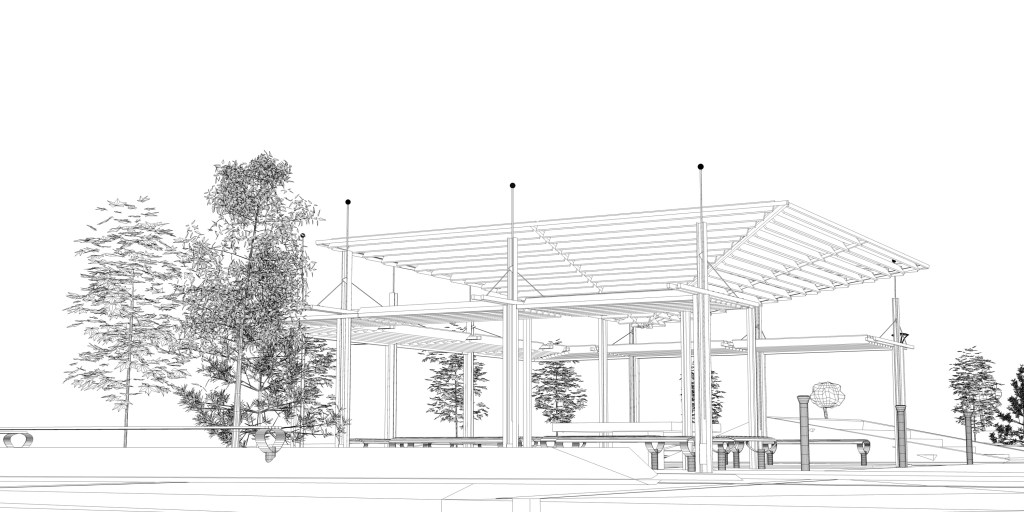
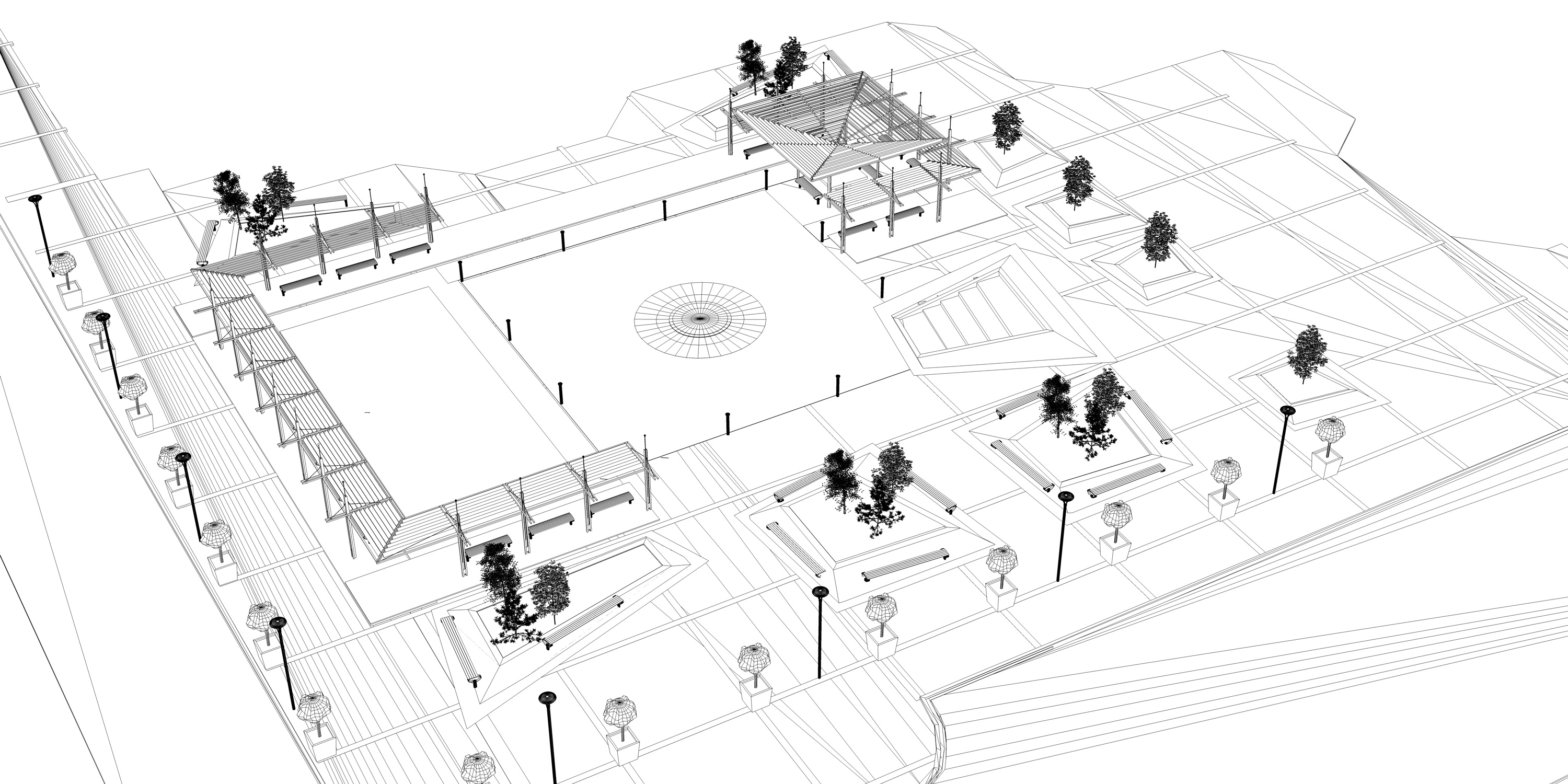
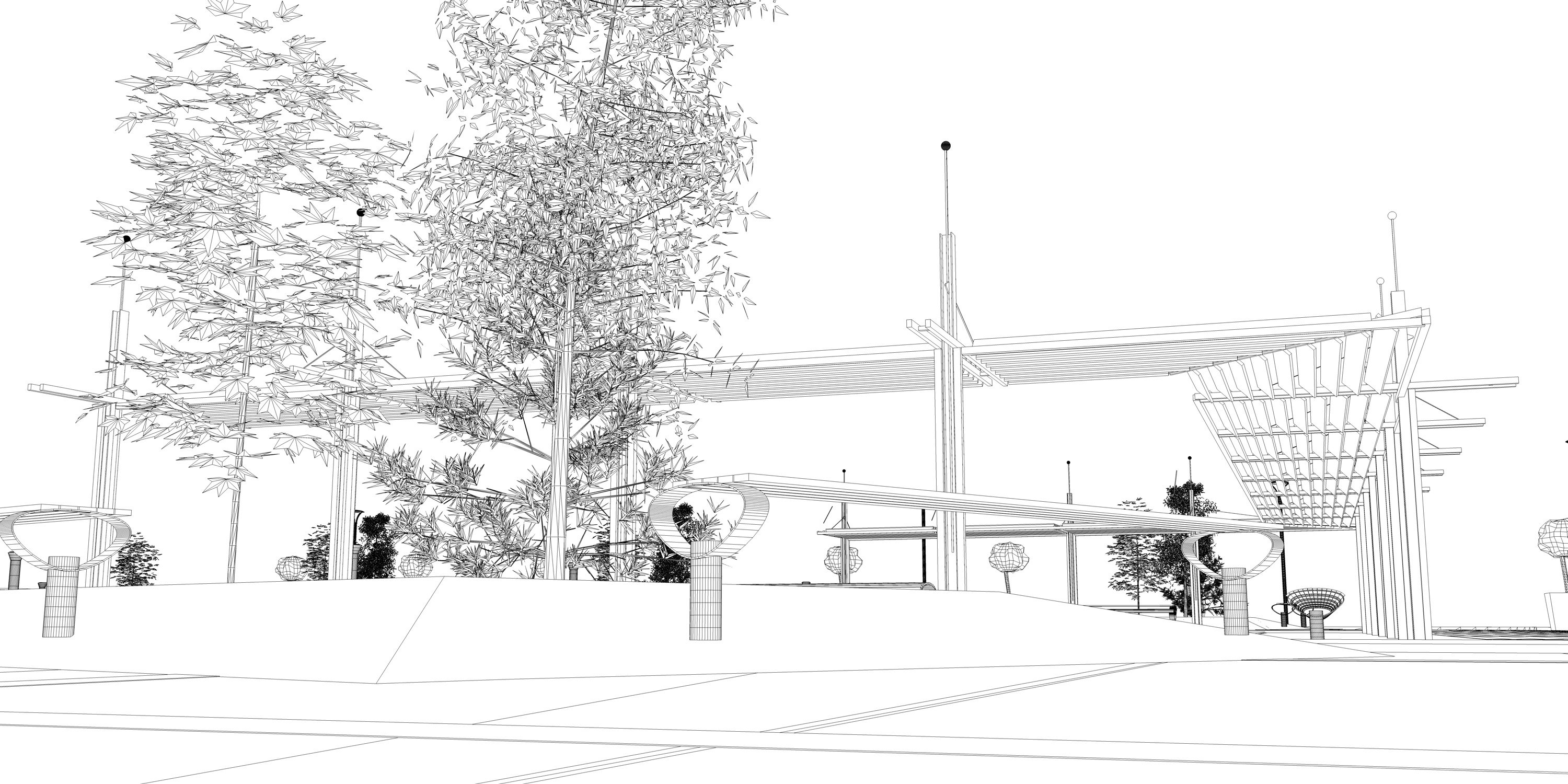
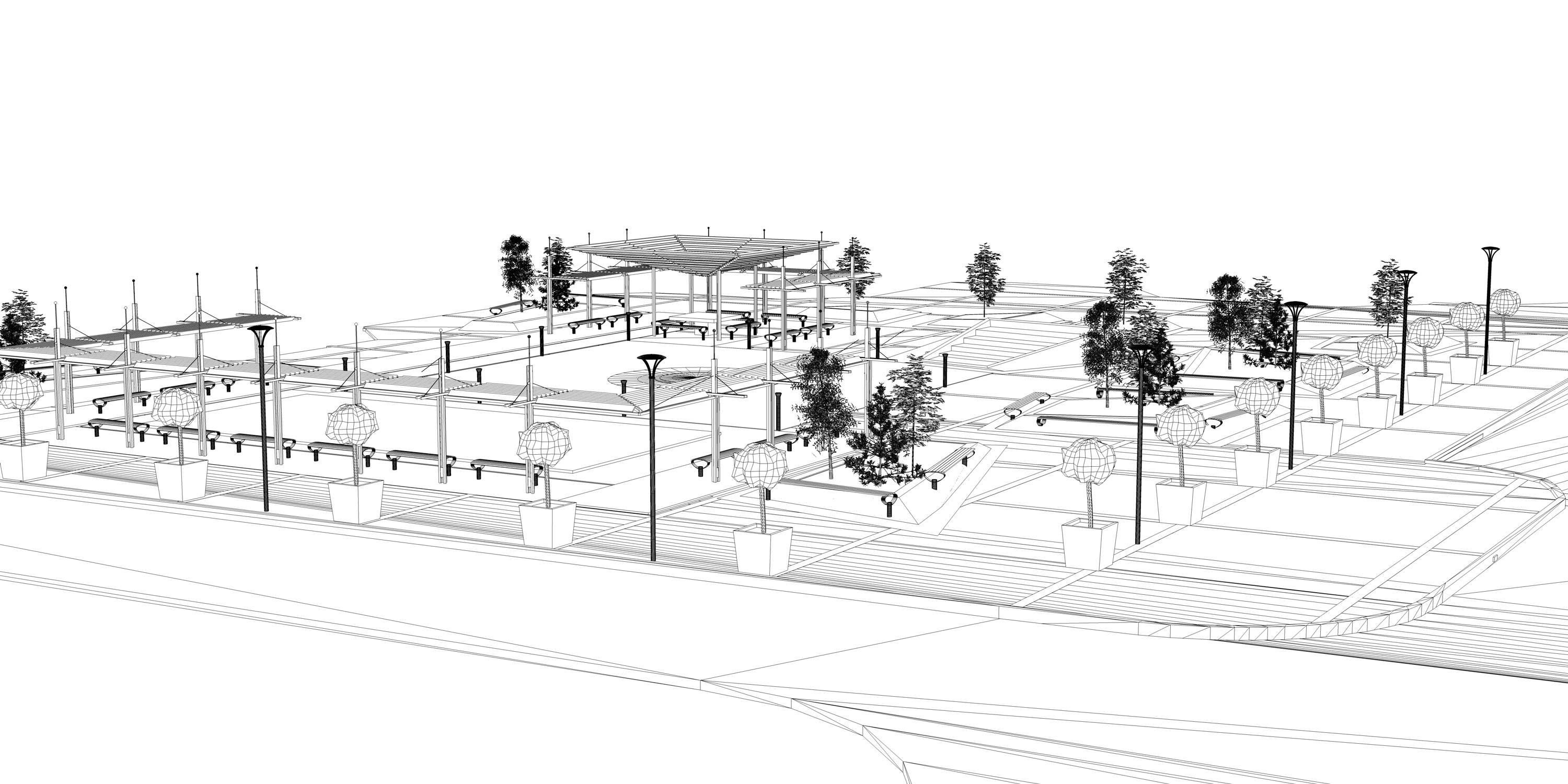
One of the first projects I worked on for the state was the design of a recreational public space. I was genuinely excited by the opportunity. The chief architect had already completed the basic layout and circulation plans, which meant my job was to develop the 3D concept based on these drawings.
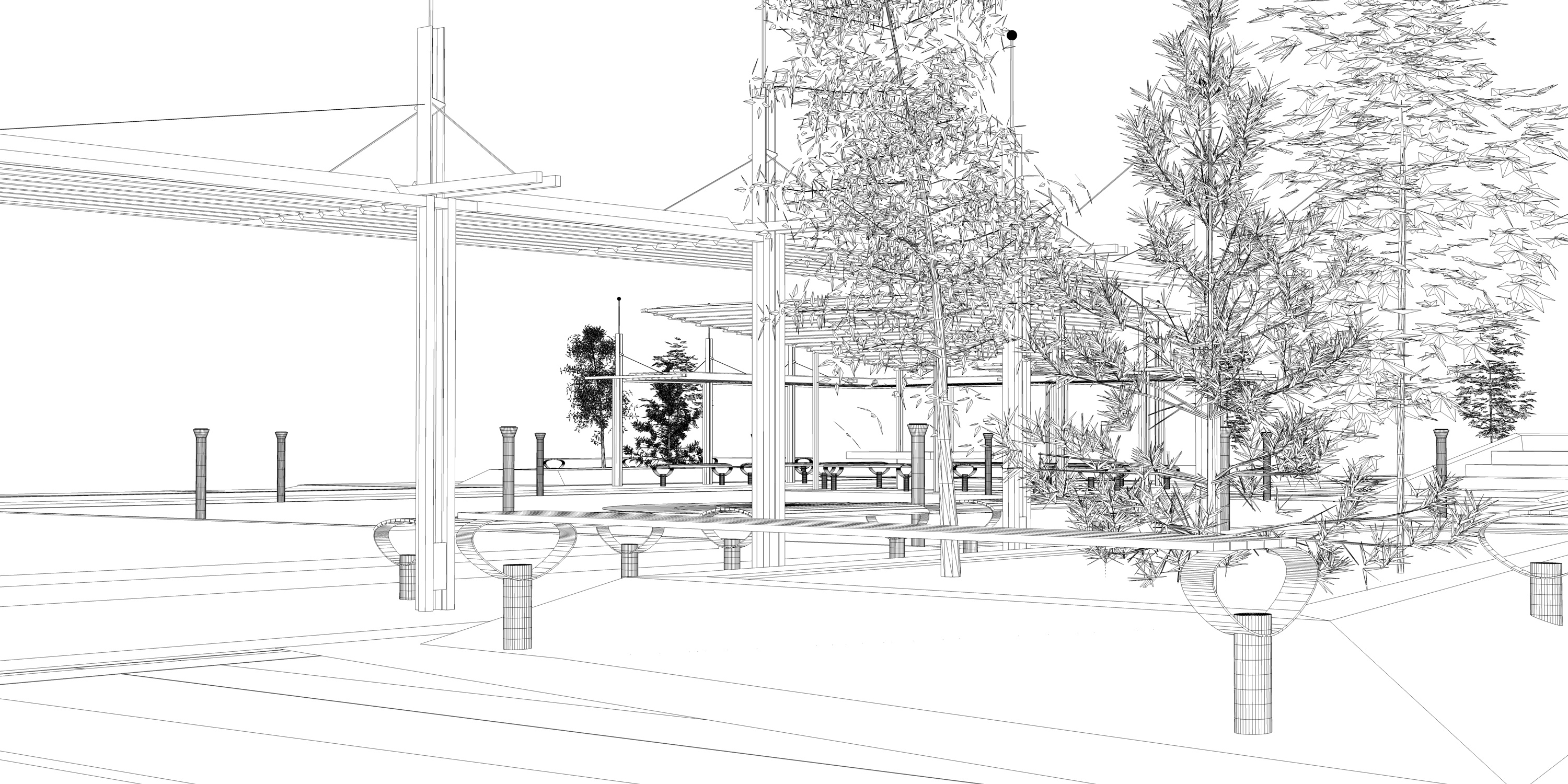
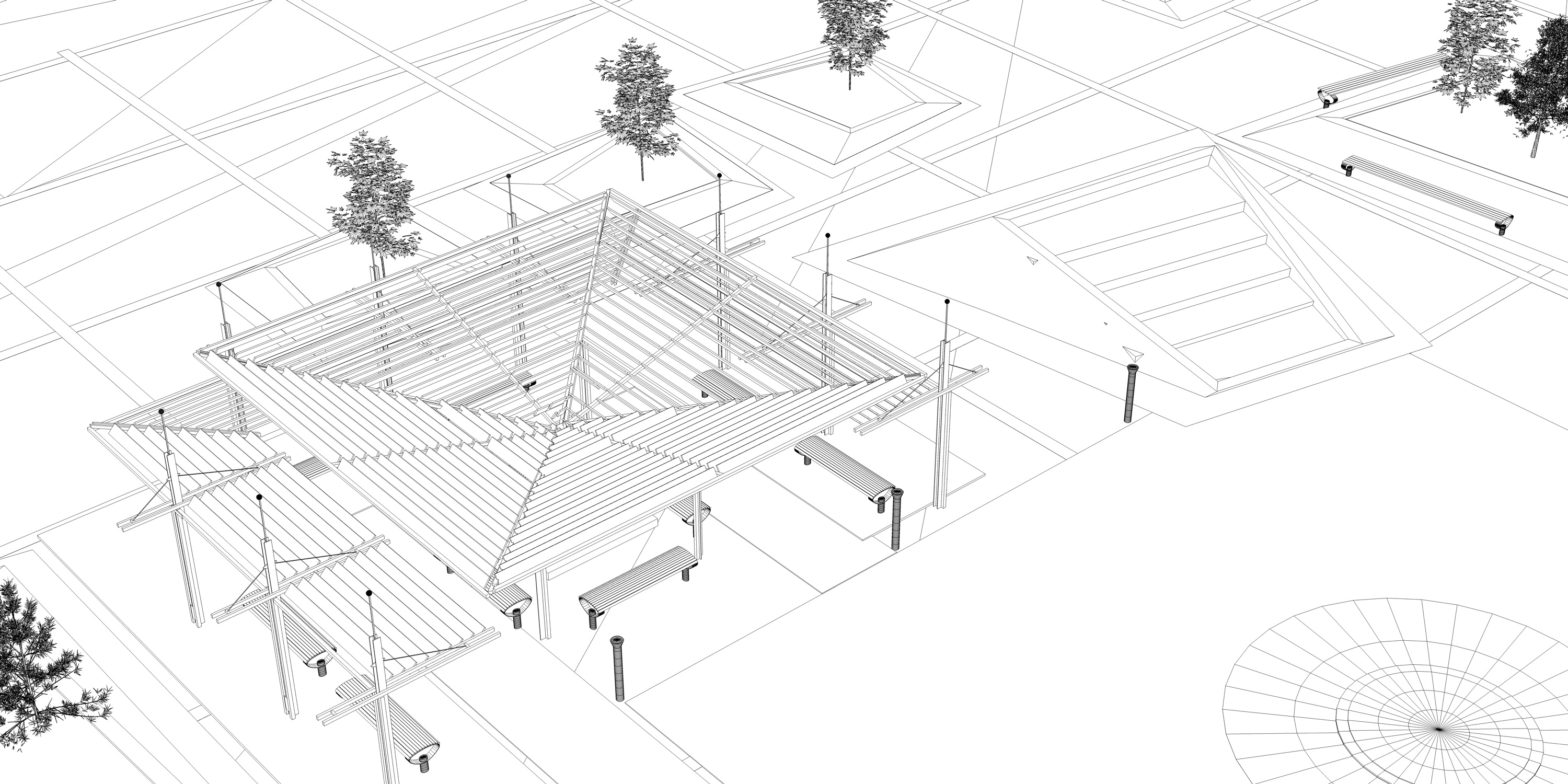
It didn’t take long—just two days—for a clear concept to emerge. Although the site wasn’t very large, it gave me enough room to explore form and expression. I began by experimenting with the basic shapes, pushing and skewing volumes until the initial rectangular structure transformed into a more dynamic arrangement of angles and surfaces.

Concept vs. execution
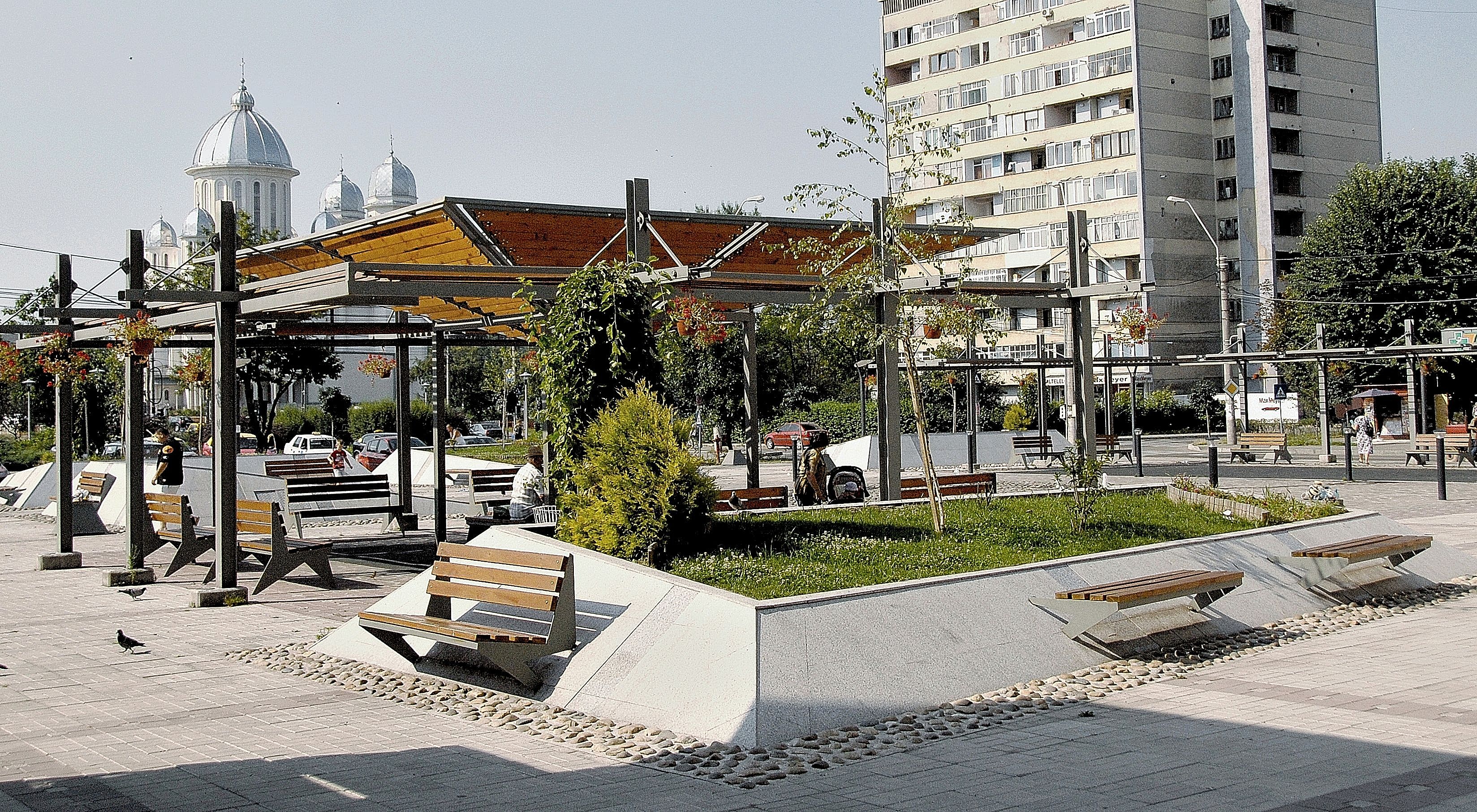
Some of the volumes from my proposal were eventually built. Unfortunately, my concept for seamless surfaces and a lightweight aesthetic shifted in the execution phase into something much rougher—stone textures, heavy tiling, and a more rustic material palette. The final build didn’t fully reflect the original design spirit.
By the time the project entered the construction phase in 2009, I was no longer with the company and had no involvement in overseeing the final implementation. Still, it remains one of those early moments in my career when I felt aligned with my dream—and had a glimpse of what architectural authorship can be.



Not all about the public debate
As many architects would agree, the essence of architecture lies in the details—and in this case, the final result drifted far from my original vision. Once the park was completed, it sparked several public discussions and debates, particularly from the older generation. Many complained about the lack of shaded areas or the absence of quiet corners for traditional activities like playing backgammon.
Despite this feedback, I continue to stand by my initial concept. I envisioned the space as a visual and spatial metaphor—an environment that reflects the inner landscape of a creative mind. Abstract, at times desolate, broken or even psychotic in feeling, it was meant to mirror a psychological state rather than cater to comfort.
In some ways, I like to think of it as a rare snapshot of my inner tension—translated into physical form by the will and resources of the state. For better or worse, it became a manifestation of ideas and emotions that are usually inaccessible or unexpressed in public space. And for that reason alone, I remain grateful.
( rewritten with ChatGpt )
 PAUL SELING
Leave a comment