Varianta în limba romană
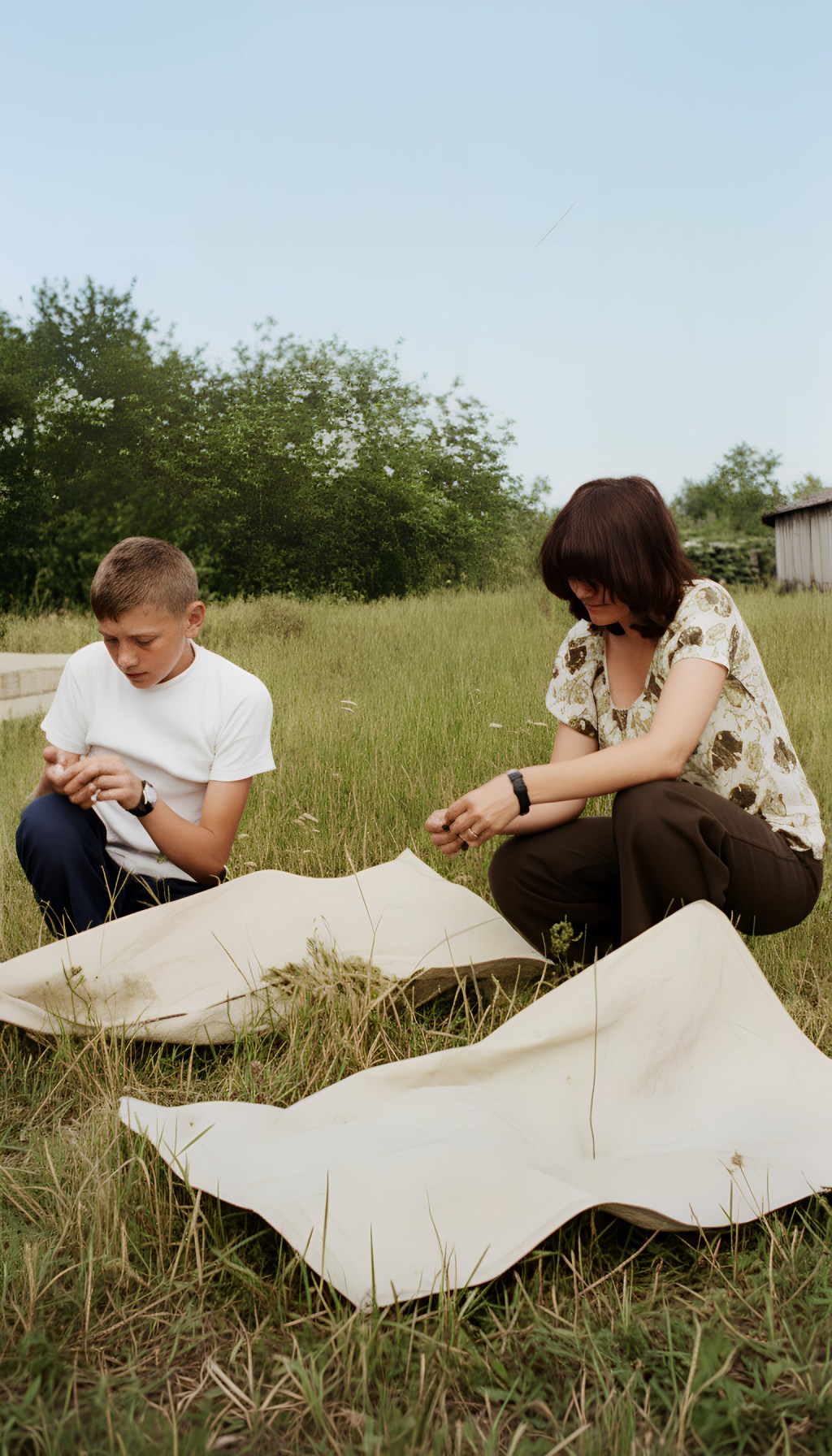
1984, poate 1985. E o duminică festivă, copiii de la școala satului Remetea Chioarului țin o serbare școlară. Mama a împrumutat, în mod excepțional, Dacia 1300 cea nouă a lui tata, pentru deplasare. Urmează să primească multe buchete de flori, așa că nu le poate aduce altfel acasă.
Pe drumul de întoarcere, mașina se defectează o dată, pornește din nou și mama și colega ei, d-na Paula H., ajung până la intrarea în Baia Mare. Acolo, vis-à-vis de Unitatea Militară, Dacia se defectează și se oprește din nou.
Dacia 1300 a fost cel mai popular model de mașină în anii comunismului. A noastră era una albă, așteptată cu multă răbdare – se stătea luni sau chiar ani pe listele de livrare. Fabricile făceau cu greu față cererii.
Benzina era, mai ales în anii ’80, un mare lux, fiind raționalizată. Fiecare familie primea un maxim de 20 de litri pe lună, dar atunci când găseai la benzinărie prețiosul lichid trebuia să aștepți uneori și 2–3 zile ca să îți faci plinul.
Mama îmi povestește acum despre cozi de 2–3 kilometri lungime. Mașinile se întindeau pe mai mult de jumătate din oraș, împinse deseori cu mâna pentru a avansa și a salva carburant. Alteori îți lăsai mașina cu zilele la coadă și plecai acasă, până când venea următorul transport, atunci când marile rezervoare se goleau.
Mama avea bune cunoștințe de mecanică. Atunci când predase la ora de fizică despre „motorul în patru timpi”, dusese mașina la școală și le arătase elevilor ce se putea vedea sub capotă. Pe lângă asta, lucrase cot la cot cu tata atunci când acesta dezmembrase, cu cartea tehnică în mână, motorul și caroseria, pentru a o izola în partea de jos.
Deseori, Daciile ieșeau pe poarta fabricii neglijent vopsite. Muncitorii nu mai șlefuiau caroseria și aplicau finisajul direct peste metalul ruginit. Cum, în timpul iernii, drumurile erau dezghețate cu sare și nisip, în timpul învârtirii roților mașina se umplea de aceste materiale corozive și se degrada rapid. Era deci nevoie de a „revizui” situația și de a „izola” partea de jos a mașinii.
Acum, că mașina se oprise, mama a ieșit de la volan și a deschis capota, încercând să afle care era defecțiunea. Frumos îmbrăcată pentru festivitate, a atras atenția unui grup de soldați care ieșise în pauză în curtea Unității Militare. La vederea întâmplării au început să vocifereze, ironic. Ce treabă avea o femeie să umble la motorul unei mașini? se întrebau ei… Au râs, încercând s-o descurajeze.
Mama a intuit rapid unde era problema. Cum, în vremurile alea, benzina era plină de impurități, sita de filtrare se umpluse, iar carburantul nu mai ajungea la motor. A curățat rapid, sperând că mașina va porni. Așa a și fost: ghicise din prima, Dacia a pornit la prima cheie.
Uimiți și apoi încântați, militarii au izbucnit admirativ în urale și aplauze. Mama a salutat triumfător, iar „tovarășele” au ajuns cu bine acasă.
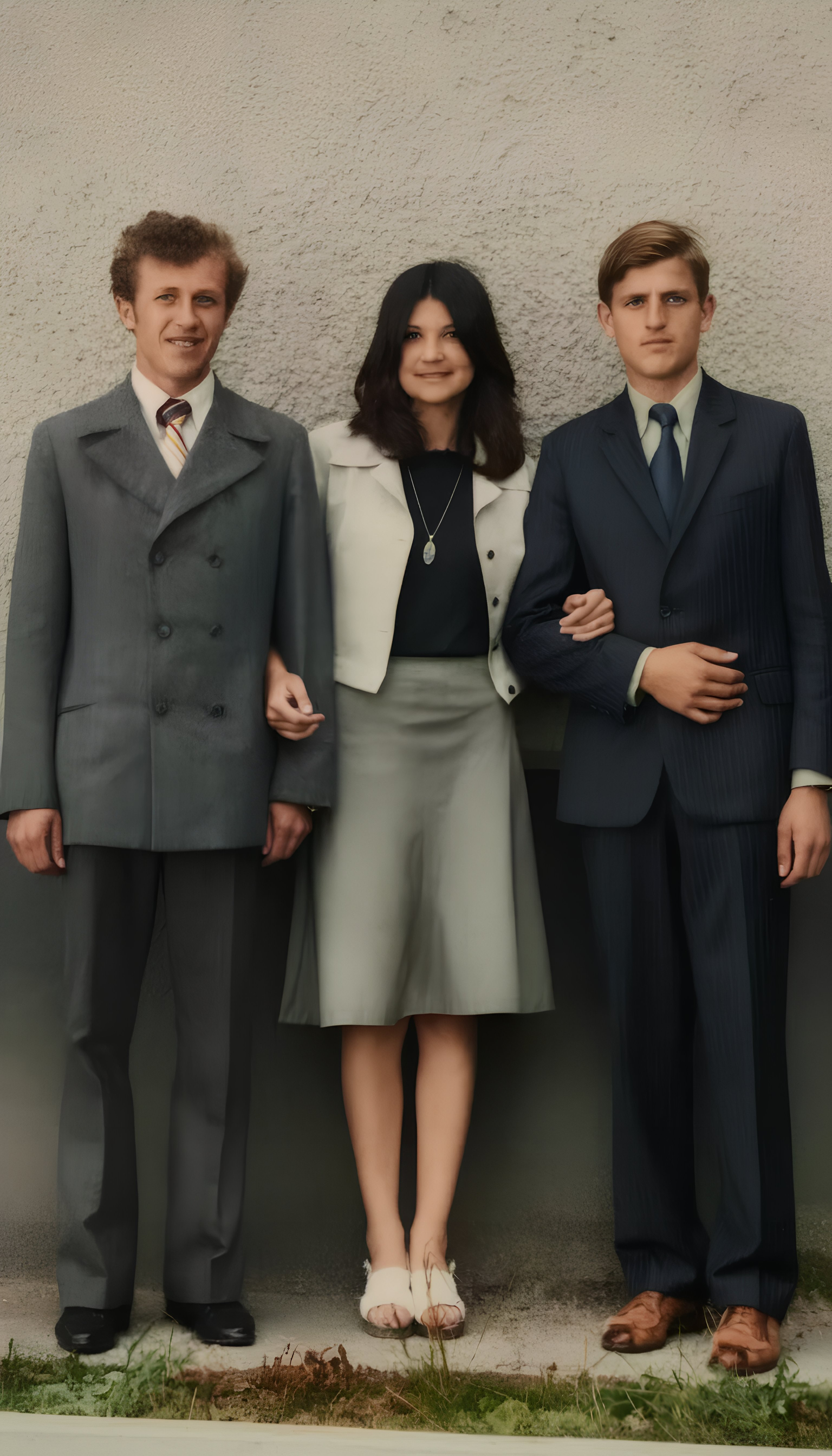
Deseori, când mă uit la pozele cu mama și tata, mă mir cu câtă lejeritate și ambiție au putut trece peste atâtea feluri de probleme și lipsuri de-a lungul vieții. Veșnic puși pe treabă, n-au stat locului niciodată, încercând să ne facă nouă și lor viața cât mai ușoară. Mama a adus întotdeauna în ecuație grația feminină și inteligența emoțională, însușiri care m-au ghidat de-a lungul vieții și care mă inspiră și astăzi.
English version
1984, perhaps 1985. It was a festive Sunday; the children from the village school of Remetea Chioarului were holding a school celebration. My mother had exceptionally borrowed my father’s brand-new Dacia 1300 for the trip. She was about to receive many bouquets of flowers, so there was no other way to bring them home.
On the way back, the car broke down once, then started again, and my mother and her colleague, french teacher Mrs. Paula H., managed to reach the entrance to Baia Mare. There, opposite the Military Unit, the Dacia broke down and stopped once more.
The Dacia 1300 was the most popular car model during the communist years. Ours was white, awaited with great patience—people spent months or even years on delivery waiting lists. Factories struggled to keep up with demand.
Gasoline was, especially in the 1980s, a great luxury, as it was rationed. Each family received a maximum of 20 liters per month, but when you did find the precious liquid at a gas station, you sometimes had to wait two or three days to fill your tank.
My mother now tells me about queues two to three kilometers long. Cars stretched across more than half the city, often pushed by hand in order to move forward and save fuel. At other times, you would leave your car in line for days and go home, waiting for the next delivery, when the large tanks were finally refilled.
My mother had solid mechanical knowledge. When she taught physics lessons about the “four-stroke engine,” she once brought the car to school and showed the students what could be seen under the hood. Beyond that, she had worked side by side with my father when he dismantled, technical manual in hand, the engine and the bodywork in order to insulate the underside.
Often, Dacias left the factory gate carelessly painted. Workers no longer sanded the bodywork and applied the finish directly over rusty metal. Since, during winter, roads were thawed with salt and sand, as the wheels spun the car would fill up with these corrosive materials and deteriorate rapidly. It was therefore necessary to “review” the situation and “insulate” the lower part of the car.
Now that the car had stopped, my mother got out from behind the wheel and opened the hood, trying to figure out what the problem was. Nicely dressed for the celebration, she caught the attention of a group of soldiers who were on break in the courtyard of the Military Unit. Seeing what was happening, they began to shout comments ironically. What business did a woman have fiddling with a car engine? they wondered… They laughed, trying to discourage her.
My mother quickly figured out where the problem was. Since, in those days, gasoline was full of impurities, the filter screen had become clogged and fuel was no longer reaching the engine. She cleaned it quickly, hoping the car would start. And so it did—she had guessed right the first time; the Dacia started at the first turn of the key.
Amazed and then delighted, the soldiers burst into admiring cheers and applause. My mother waved triumphantly, and the “comrades” made it safely home.
Often, when I look at photos of my mother and father, I marvel at how effortlessly and determinedly they managed to overcome so many kinds of problems and shortages throughout their lives. Always busy, they never stood still, constantly trying to make life easier for us and for themselves. My mother always brought feminine grace and emotional intelligence into the equation—qualities that guided me throughout my life and continue to inspire me today.

 PAUL SELING
Leave a comment