Versiunea în limba română
Urc cu amicul meu C. scările din fața intrării în bloc, și abia reușim să ne ținem echilibrul sub mormanul de cutii de componente PC pe care tocmai le-am cumpărat.
C. n-are încă un computer personal, dar ne-am făcut împreună un plan. O să-mi iau eu primul unul, așa că l-am rugat pe tata să-mi sponsorizeze și această mică curiozitate. C. se pricepe de mic la tehnica de calcul pentru că încă dinainte de Revoluție și-a petrecut ani buni la un laborator de profil. El a fost și cel care a ales piesele cu care urmează, în câteva ore, să construim primul nostru PC.
În timp ce C. meșterește prin carcasa de plastic, eu mă uit ca pisica în calendar peste o revistă de IT. Clar, e un limbaj specializat, sunt acolo review-uri de softuri, tips & tricks despre limbaje de programare, ș.a.m.d. Ceva, ceva totuși începe să se lege, îmi spun. Parcă „văd” logica din spatele cuvintelor, dar îmi lipsește semnificația concretă a cuvintelor. Las revista, propunându-mi să mai insist cu documentarea ceva mai târziu.
Îmi torn un pahar de vin roșu dar lovesc din greșeală cu cotul sticla, care se varsă peste carcasă, taman pe placa de bază.
– You moron! – exclamă indignat C., în timp ce eu calculez rapid în minte cât mă va costa dauna.
Ne gândim ce e de făcut. Mergem în baie cu placa și o băgăm sub duș, frecând-o temeinic cu peria de rădăcini. Am „scos” pata, nu se mai vede nimic. Ne vom întoarce la magazin s-o predăm, pe motiv că are o defecțiune ascunsă, și vom cere alta la schimb.
Reușim și schema asta, învingând suspiciunile vânzătorului, și ne întoarcem acasă. C. finalizează montajul. Instalăm copia pirat de Windows pe care o deține jumătate din România, pornim computerul.
Avem un Pentium II cu 64 Mb de RAM și vreo 600 de Mb de spațiu pe hard disk. E o configurație „ultimul răcnet”, mă asigură C. Sunt mândru că am o asemenea mașină, la un moment când alții încă folosesc calculatoare de buzunar.
…
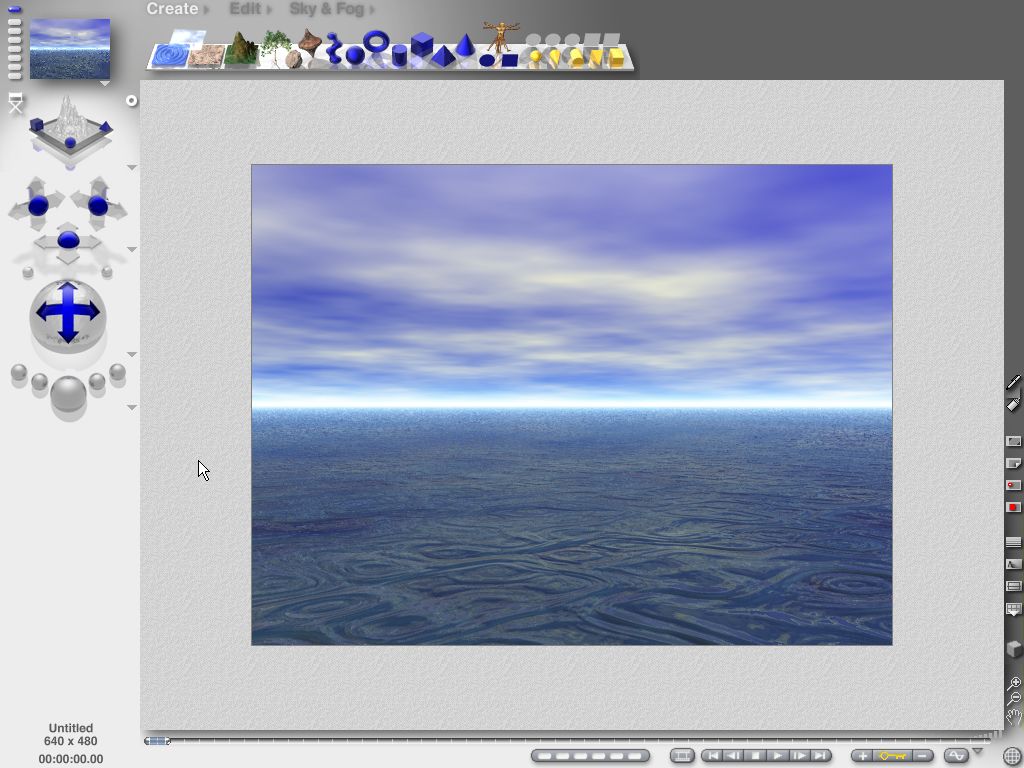
C. a făcut rost de softuri sau jocuri cu nemiluita. Am început amândoi să lucrăm în 3D, descoperind împreună programe ca Truespace, Bryce, Adobe Photoshop sau Premiere.
Am prins repede logica cu care erau construite interfețele, modul de gândire al programatorilor, mi-a plăcut mult aspectul prietenos, aproape naiv al meniurilor sau butoanelor. Totul fiind intuitiv și relativ simplu, am intrat cu brio în universul modelării în spații virtuale.
C. era mai strict și mai meticulos, studios, documentându-se înainte să ia decizii. Eu, venit din Școala de Artă, am adus în viewport influențe și atitudini cu care mă obișnuisem deja acolo, din copilărie.
Dacă C. s-a dus repede spre science-fiction (îi plăcea să modeleze nave spațiale, avioane, mașini futuriste), eu voiam să înțeleg cum puteam folosi unelte digitale pentru a le „impregna” cu simbolistica vizuală a artelor plastice – și nu numai a lor. Pe lângă asta, exersam deja montaj video și animație în speranța să ajung cât de curând într-o echipă de producție la Hollywood.
…
C. și-a luat după o vreme și el un PC, așa că timpul nostru petrecut împreună, sfătuindu-ne și colaborând, s-a diminuat până aproape de zero. Cele două direcții pe care o luaserăm amândoi ne-au îndepărtat tot mai mult. La un moment dat, în vizită la el acasă, am intrat pentru prima dată pe internet. Am avut un șoc imens, cerul mi-a căzut în cap cu un zgomot asurzitor.
Vedeam pentru prima dată, căutând pe Altavista, câte milioane de oameni erau deja conectați. Câți dintre ei aveau aceleași interese cu mine, câți făceau ce voiam și eu să fac, dar mult mai bine, mult mai rapid, mult mai elegant. Am realizat brusc că toată visarea mea era în zadar, nu mai urma să plec din România niciodată, nicăieri. Planeta întreagă era deja în viitor, și își era suficientă.
Cu toate astea, îi datorez practic lui C. această inițiere în tehnologie. Probabil aș fi ajuns acolo la un moment dat și prin alte „influențe”, din moment ce și colegii de facultate se dotau rapid cu softuri 3D și aveau aceleași interese. Toată lumea integra rapid noile tehnologii care veneau din Occident în ritm accelerat.
Dar, nu vom ști niciodată. Până la urmă nu cred că mai există alternative la o realitate pe care am trăit-o deja.
English translation:
I’m climbing the stairs in front of the apartment building with my friend C., and we’re barely managing to keep our balance under the pile of PC component boxes we’ve just bought.
C. doesn’t have his own computer yet, but we’ve made a plan together. I’d be the first to get one, so I asked my dad to sponsor this little curiosity of mine. C. has been good with computers since he was young, having spent many years before the Revolution in a tech lab. He was also the one who selected the parts with which, in a few hours, we would build our very first PC.
While C. is tinkering inside the plastic case, I’m staring blankly at an IT magazine like a cat watching a calendar. Clearly, it’s a specialized language—there are software reviews, programming tips & tricks, and so on. Still, something is beginning to make sense, I tell myself. I kind of “see” the logic behind the words, but I lack their concrete meaning. I put the magazine down, promising myself I’ll dive deeper into it later.
I pour myself a glass of red wine but accidentally knock the bottle over with my elbow—spilling it all over the case, right on the motherboard.
“You moron!” C. exclaims indignantly, while I quickly calculate in my head how much this damage might cost me.
We think about what to do. We go to the bathroom with the board and rinse it under the shower, scrubbing it thoroughly with a root brush. The stain is gone, nothing can be seen. We decide to return it to the shop, claiming it has a hidden defect, and ask for a replacement.
We pull off this stunt too, defeating the seller’s suspicions, and return home. C. completes the assembly. We install the pirated copy of Windows owned by half of Romania and boot up the machine.
We’ve got a Pentium II with 64 MB of RAM and about 600 MB of hard disk space. “It’s top of the line,” C. assures me. I’m proud to have such a machine at a time when others are still using pocket calculators.
…
C. got hold of tons of software and games. The two of us started working in 3D, discovering together programs like Truespace, Bryce, Adobe Photoshop, and Premiere.
I quickly grasped the logic behind user interfaces, the way programmers thought; I really liked the friendly, almost naive look of the menus and buttons. Everything was intuitive and relatively simple, so I dove right into the world of virtual space modeling.
C. was stricter and more meticulous—studious, researching before making decisions. I, coming from Art School, brought to the viewport the influences and attitudes I had grown used to since childhood.
While C. quickly moved toward science fiction (he loved modeling spaceships, planes, futuristic vehicles), I wanted to understand how I could use digital tools to “infuse” them with the visual symbolism of the plastic arts—and beyond that. At the same time, I was already practicing video editing and animation, hoping to soon join a production team in Hollywood.
…
Eventually, C. got his own PC too, so the time we spent together advising and collaborating shrank to nearly zero. The two paths we had taken led us further and further apart. At one point, visiting him at home, I went online for the first time. It hit me like a ton of bricks—the sky fell on my head with a deafening crash
For the first time, through Altavista searches, I saw how many millions of people were already connected. How many of them shared my interests, how many were doing what I wanted to do—but better, faster, more elegantly. I suddenly realized all my dreaming had been for nothing. I wasn’t going to leave Romania anymore. The whole planet was already living in the future—and was self-sufficient.
Still, I practically owe this initiation into technology to C. I probably would have gotten there eventually through other “influences,” since even my college peers were quickly equipping themselves with 3D software and had similar interests. Everyone was rapidly adopting the new technologies pouring in from the West.
But we’ll never know. In the end, I don’t believe there are alternatives to a reality you’ve already lived
 PAUL SELING
Leave a comment