
Varianta în limba română
Până în 1989, la Revoluție, când a căzut „Cortina de Fier”, am trăit o copilărie gri, deprimantă. Aveam 12 ani când a început „tranziția” și când noile canale media au început să ne ofere atâtea opțiuni de a ne bucura de nou. Pentru noi noul însemna, la acea vârstă, desenul animat.
O spun și acum, ca și copil, ca și șoim al patriei sau pionier, am consumat enorm de multă grafică produsă de artiștii maturi cu care împărțeam spațiul închis al comunismului târziu. Nu pierdeam nici o ocazie de a pune mâna pe un almanah, o carte cu ilustrații sau un BD adus, pe furiș, de cineva din Occident. Am „mâncat” de-a dreptul orice fel de desen, de la cele artistice, la caricatură, la banda desenată proletcultistă și până la tablourile pe care colegii de la secția de arte plastice le expuneau în holul școlii, la final de trimestru.
Nu îmi pot explica fascinația pe care am avut-o, încă de pe la 8-9 ani, pentru caricatură, în special desenul minimalist, de linie, pe care îl găseam la artiști ca Ando, Horațiu Mălăele și alți câțiva. Poate am mai spus-o și în alte însemnări, exersam aproape zilnic o posibilă (viitoare) „linie proprie”, copiind la nesfârșit ilustrații ale acestor artiști, lipindu-le de geam ca să le pot vedea prin hârtia translucidă și urma, prin propria mișcare a mâinii.
O altă bucurie majoră erau cele 10 minute de desen animat pe care cei de la televiziunea națională ni le ofereau sâmbăta, pe la ora 13. Uneori ne ceream voie de la profesoara de pian, sora-mea și cu mine, ca s-o putem lua la goană de-a lungul orașului, până acasă, în speranța că mai prindem măcar 3-4 minute din show.
Faceam însă de fiecare dată comparație între maniera de a anima a românilor (Mihaela, Bălănel și Miaunel, etc.), cea a iugoslavilor (Lolek și Bolek, spre exemplu) și bineînțeles, cea a americanilor de la Disney. Eram fascinat de nivelul de detaliu și de culoarea vie a desenului animat occidental, comparându-l cu ceea ce se producea local: desene minimale, tehnică mai slabă, culori triste, terne.
În ultimii ani m-am documentat mult (YouTube) pe temele astea și mi-am explicat oarecum diferențele: diferențe de bugete, motivație și, bineînțeles, regimuri politice. M-am uitat la multe documentare de profil, puse cap la cap cu multă muncă de entuziaști asemeni mie.
După `90 ne-am regăsit, întreaga țară, față în față cu „Sandy Bell”. Încă îmi aduc aminte de bunica din partea mamei, care avea în fiecare seară grijă să ne cheme în casă, la TV, cu celebrul ei strigăt: „Începe Sandibelu`!” 😉 Am îndrăgit mult anime-ul japonez pentru ambianța urbană mai ales, pentru background-urile frumos desenate, detaliate, pentru atmosfera pozitivă și solară.
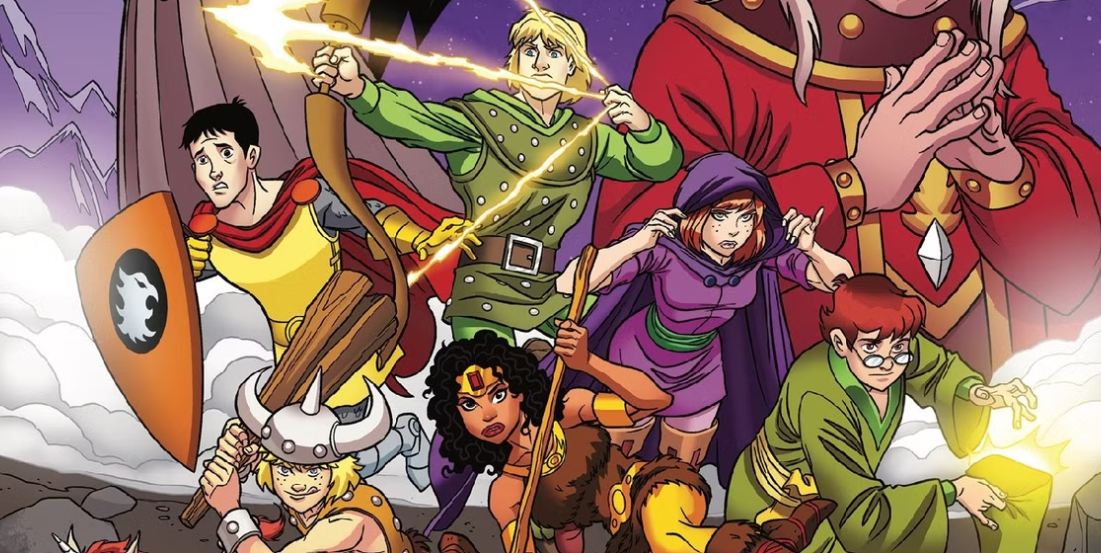
Dar nu m-am oprit aici cu „studiul”. Unul din serialele mele favorite ale copilăriei rămâne „Dungeons and Dragons”. Pe lângă faptul că mă îndrăgostisem lulea de personajele feminine, îmi formasem deja obiceiul de analiză în fiecare moment relațiile dintre eroi, în special cele de „putere”. Încercam să-mi dau seama ce rol are fiecare în schema generală, ce semnificație avea lupta dintre bine și rău și mai ales, care putea fi calea de ieșire din universul paralel în care grupul fusese aruncat.
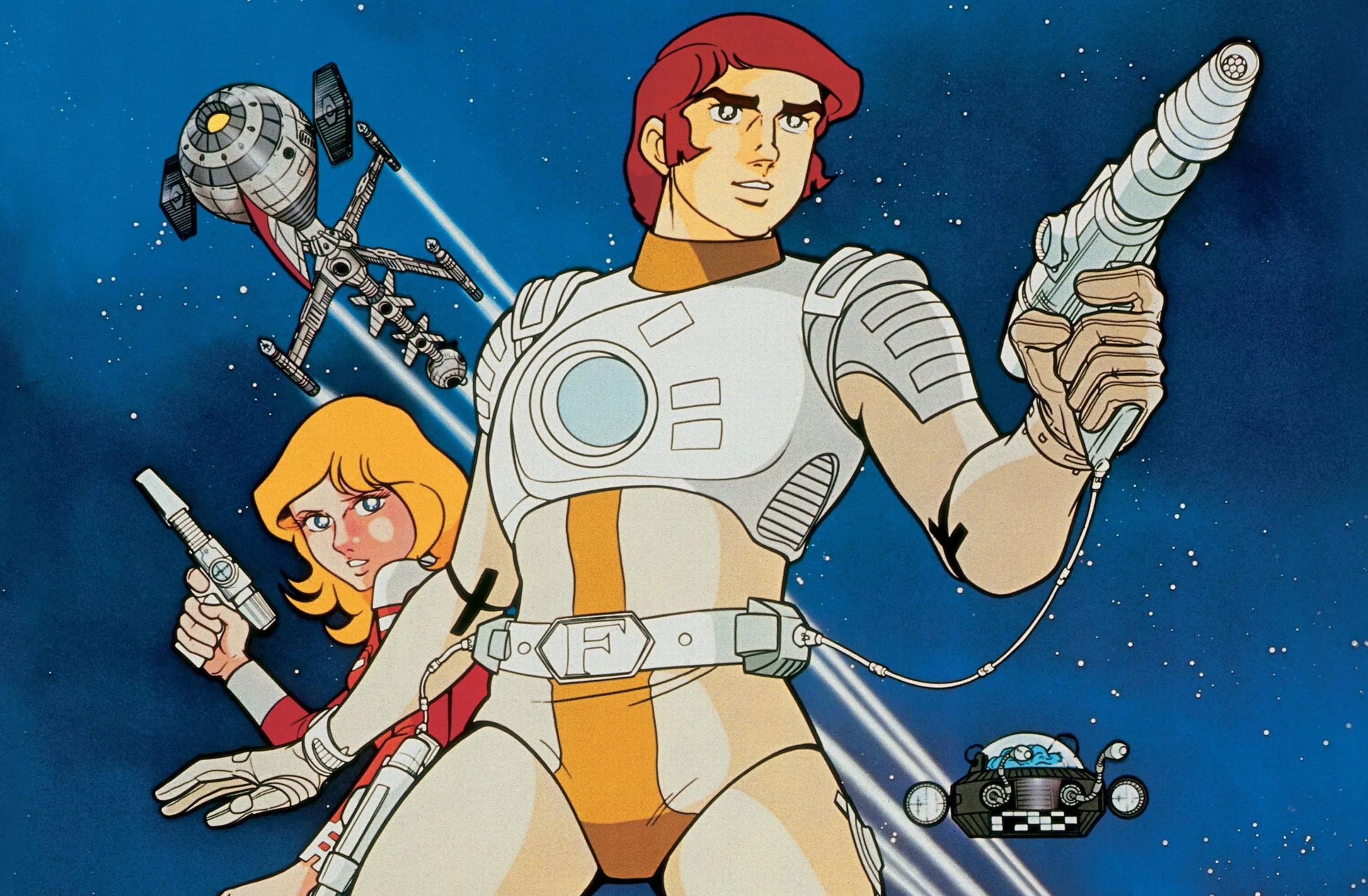
Un alt personaj drag mie, de data asta tot un anime japonez, a fost „Captain Future”. Dintr-un motiv obscur l-am asociat oarecum cu tata. Poate pentru că văzusem prea multe poze de-ale lui îmbrăcat în pantaloni evazați, așa cum era moda anilor `70, lol. Și poate și din alte motive, nu știu. Rămân până azi mare fan al coloanei sonore, mai ales a cântecului care însoțește genericul.
Bineînțeles, intrat în adolescență am uitat o perioadă de anime, doar ca să mă amuz cu umorul dur, grotesc aproape, al serialelor de pe Cartoon Network. Le-am urmărit sporadic, întrebându-mă de ce industria (sau media locală) „migrase” în așa fel către genul ăla de umor, al cărui „tușe groase” mi se păreau nițel excesive. M-a mai întristat și standardizarea metodelor de a anima, care începeau să semene prea mult și să-și piardă din personalitate.
În facultate am mai avut un ultim contact cu animația japoneză. De data asta a fost vorba de genul „hentai”, pe care amicul C. mi l-a prezentat prin 96-97. Trebuie să recunosc că am fost extrem de fascinat de tehnică, scenarii, concept. Adică m-am gândit la cantitatea de muncă și de planificare necesară producerii unor asemenea lucrări care, mi se părea atunci, rămâneau totuși un produs de „nișă”. Mai târziu am realizat, studiind mai îndeaproape media japoneză, că există o piață bine conturată și pentru genul ăsta de fantezii.
Apoi am uitat complet de desene animate.
Până la mijlocul anilor 2010 când, din întâmplare, într-o fereastră de browser, a apărut un personaj fascinant. Mi-a atras atenția instant.
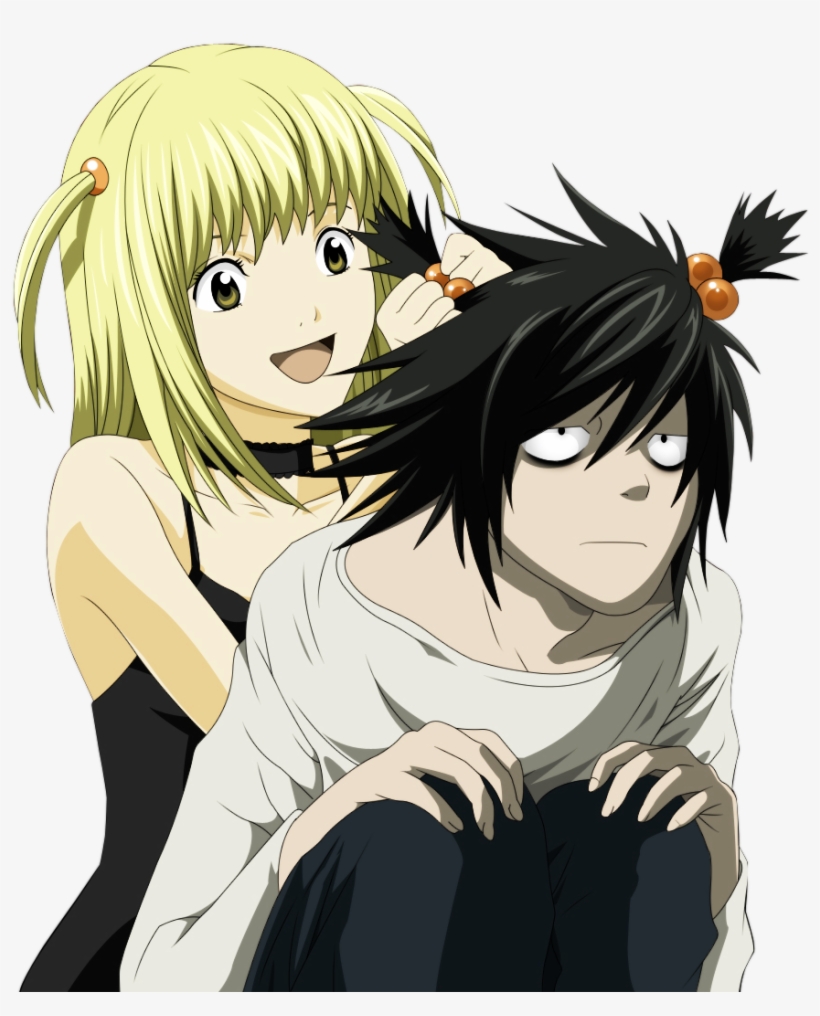
E vorba de „L”, detectivul din seria japoneză „Death Note”. Am intrat imediat pe Wikipedia și am studiat nițel personajele, simbolistica, analizând în minte semnificatia întregii construcții. Am înțeles probabil doar parțial despre ce e vorba, dar „L” a rămas până astăzi un personaj drag mie.
La internarea mea forțată în spitalul de psihiatrie din Cluj, din 2014 (sau 2015, am uitat), m-am amuzat nițel rugând-o pe mama să-mi cumpere din oraș un hanorac similar cu cel pe care îl purta „L” în același tip de instituție medicală în care mă găseam și eu. De fapt trebuie să recunosc că, în cele din urmă, „L” m-a salvat cu mare succes din multe situații de criză, prin eleganța conceptului, a desenului, a personajului până la urmă.
Rămân un mare fan și astăzi.
English version
Until 1989, at the Revolution, when the “Iron Curtain” fell, I lived a gray, depressing childhood. I was 12 years old when the “transition” began and when the new media channels started offering us so many options to enjoy the new. For us, the new at that age meant cartoons.
I say it again, as a child, as a “Falcon of the Fatherland” or a pioneer, I consumed an enormous amount of graphics produced by mature artists with whom I shared the closed space of late communism. I never missed an opportunity to get my hands on an almanac, a book with illustrations, or a comic book smuggled in by someone from the West. I literally “devoured” every kind of drawing, from artistic ones, to caricatures, to proletkult comics, and even the paintings my colleagues from the fine arts section exhibited in the school hallway at the end of the term.
I can’t explain the fascination I had, even from around 8-9 years old, for caricature, especially minimalist line drawing, which I found in artists like Ando, Horațiu Mălăele, and a few others. Maybe I’ve mentioned it in other notes as well — I practiced almost daily a possible (future) “own line,” endlessly copying illustrations of these artists, sticking them to the window so I could see them through the translucent paper and trace them with my own hand movement.
Another great joy was the 10 minutes of cartoons that the national television offered us on Saturdays, around 1 PM. Sometimes my sister and I would ask permission from our piano teacher so we could rush through the city to get home in hopes of catching at least 3-4 minutes of the show.
Every time I compared the animation style of Romanians (Mihaela, Bălănel, and Miaunel, etc.), that of the Yugoslavs (Lolek and Bolek, for example), and of course, the Americans from Disney. I was fascinated by the level of detail and the vivid colors of Western cartoons, comparing them with what was produced locally: minimal drawings, poorer technique, dull, muted colors.
In recent years, I have researched a lot (on YouTube) on these topics and somewhat explained the differences: differences in budgets, motivation, and of course, political regimes. I watched many documentaries on the subject, pieced together with a lot of work from enthusiasts like me.
After ’90, the whole country found itself face to face with “Sandy Bell.” I still remember my maternal grandmother who made sure every evening to call us inside, in front of the TV, with her famous shout: “Sandibelu is starting!” 😉 I really loved Japanese anime, especially for the urban atmosphere, the beautifully drawn, detailed backgrounds, and the positive, sunny vibe.
But I didn’t stop there with my “study.” One of my favorite childhood series remains “Dungeons and Dragons.” Besides being totally in love with the female characters, I had already developed the habit of analyzing the relationships between the heroes, especially the “power” ones. I tried to figure out each character’s role in the overall scheme, the meaning of the fight between good and evil, and most importantly, what the way out of the parallel universe where the group was thrown could be.
Another character dear to me, also from a Japanese anime, was “Captain Future.” For some obscure reason, I somewhat associated him with my dad. Maybe because I had seen too many pictures of him dressed in flared pants, as was the fashion of the ’70s, lol. And maybe for other reasons, I don’t know. To this day, I remain a big fan of the soundtrack, especially the song that accompanies the opening credits.
Of course, as a teenager, I forgot about anime for a while, just to amuse myself with the harsh, almost grotesque humor of the Cartoon Network shows. I followed them sporadically, wondering why the industry (or local media) had “migrated” so much toward that kind of humor, whose “coarse brushstrokes” seemed a bit excessive to me. I was also saddened by the standardization of animation methods, which started to look too similar and lose their personality.
In college, I had one last contact with Japanese animation. This time it was about the “hentai” genre, which my friend C. introduced to me around ’96-’97. I must admit I was extremely fascinated by the technique, the scripts, and the concept. I thought about the amount of work and planning necessary to produce such works that, back then, seemed to me still a “niche” product. Later, studying Japanese media more closely, I realized there was a well-defined market for this kind of fantasy too.
Then I completely forgot about cartoons.
Until the mid-2010s, when, by chance, in a browser window, a fascinating character appeared. He caught my attention instantly.
It’s “L,” the detective from the Japanese series “Death Note.” I immediately went to Wikipedia and studied the characters and symbolism, analyzing in my mind the meaning of the entire construction. I probably understood only partially what it was about, but “L” remains to this day a character dear to me.
During my forced hospitalization at the psychiatric hospital in Cluj, in 2014 (or 2015, I forgot), I was amused when I asked my mom to buy me a hoodie similar to the one “L” wore in the same type of medical institution where I was. In fact, I must admit that, in the end, “L” saved me successfully from many crisis situations through the elegance of the concept, the drawing, and the character after all.
I remain a big fan even today.
 PAUL SELING
Leave a comment