Varianta in limba romana
Înainte de Revoluția din 1989 am avut câteva veri liniștite la țară, la bunici. Nu era ceva ce alegeam – am mai spus-o, mi-aș fi dorit să fac corturi în curtea blocului sau să joc pac-pac cu băieții din cartier, prin șantierele părăsite care erau răspândite în tot orașul, sau poate să fi mers într-o tabără la mare (cu părinți sau fără). Dar, m-am adaptat și la sat.
După ce ne trezeam și bunica ne pregătea un mic dejun din-ăla organic, natural, cum azi nu mai găsești (oare cine-și mai aduce aminte de mirosul roșiilor de grădină, alea mari și crețe, din care te săturai pentru jumate de zi?), trăgeam o pătură până în grădina din spatele casei, culegeam niște fructe din cel mai apropiat pom și mă puneam pe citit.
Habar n-am cine îndesase atâtea cărți ciudate în pod – probabil că fuseseră ale unchiului sau mamei, nu știu – dar urcam deseori scara abruptă până sub acoperiș, ferind câteva cuiburi de viespi, ca să scotocesc printre maculatura cu puternic miros de șoarec.
La sat am găsit tone de „Almanahul Satelor”, “Lumea”, “Femeia”, pe lângă cărți polițiste, ziarul „Scânteia” – pe care bunicul îl aștepta cu nerăbdare în fiecare zi. Mai găsisem și alte feluri de publicații comuniste, cărți de contabilitate, caiete vechi, prăfuite, cu calcule făcute de bunica la magazinul sătesc, și multe, multe alte bizarerii.
Ce detestam însă cel mai mult era să duc vaca la păscut, pe marginile de șanț ale satului, uneori chiar până în lunca râului Lăpuș. Acuma, memoria deja îmi joacă feste și nu mai știu dacă și înainte de Revoluție am avut grijă de animale, dar sigur după aia așa s-a întâmplat. Îmi aduc aminte cum bunicul mă sfătuia să mă feresc să nu intre vaca în culturile de porumb ale sătenilor (mare scandal ieșea, mare de tot).
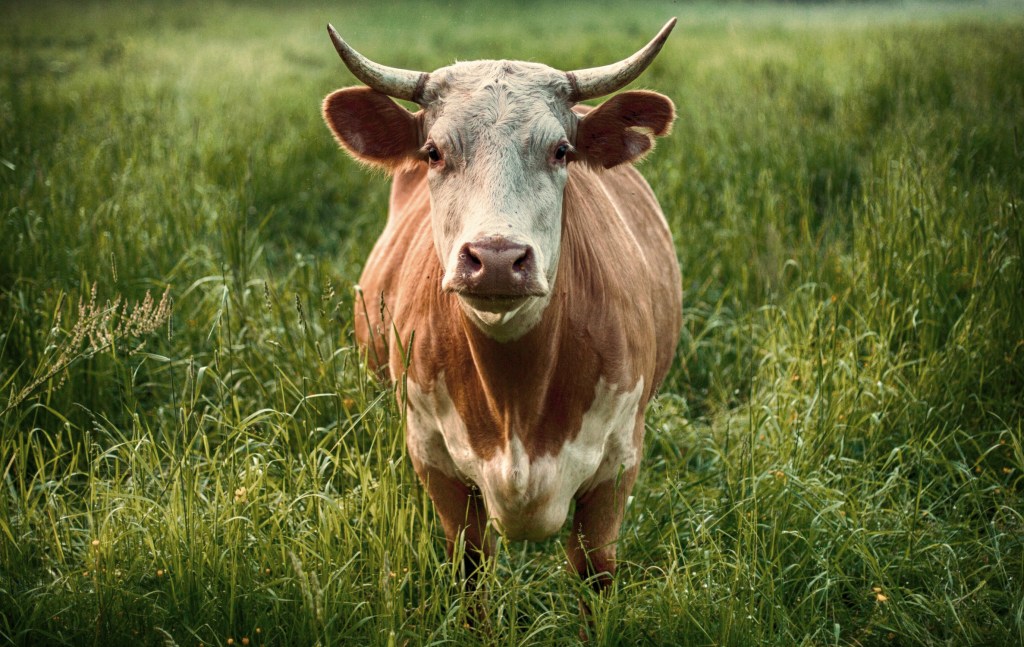
„Bicicleta”, nume dat de bunicul vacii – asta pentru că avea coarnele întoarse către spate – era un animal blând, docil, supus. Îmi căram după mine 1-2 cărți și o păturică, și mă întindeam câte 20-30 de minute, citind, până când patrupedul se îndepărta periculos de mult. Bineînțeles, nu de puține ori o găseam molfăind câte un știulete din tarlaua unui vecin. Nesemnificativ, reușeam s-o întorc repede cu o joardă ușoară peste spinare.
Nu îmi mai amintesc clar de ce, probabil pe o căldură insuportabilă, cu muște din-alea „de cal”, care te înțeapă dureros și insistent roindu-mi deasupra capului, mi-a sărit țandăra la una din micile ei gesturi invazive. O găsisem, cred, adânc într-un lan al unui sătean, și mi-am enervat îngrozitor.
Am bătut cu mare furie animalul care fugea tăcut, îndurând fiecare lovitură cu bățul de lemn, băț care îi atingea oasele bazinului prin pielea tăbăcită, plesnind de-a dreptul la fiecare impact. Mi-a părut imediat rău, dar memoria momentului rămâne cu mine după mai bine de 35 de ani.
Seara, înainte de a mă întoarce acasă, trebuia s-o duc la bazinul de apă al satului. Așteptam cu nerăbdare ca „Bicicleta” să „își facă plinul”, sperând ca stomacul ei să se umple suficient cât să lase impresia, acasă, că e deja sătulă. Bunicul o măsura atent din ochi și, dacă nu o vedea suficient de „rotundă”, mă trimitea înapoi pentru încă o „sesiune” de o oră-două.
Am stat deseori cu mâinile sub cap, ca orice copil, privind la cer și la nori, încercând să „văd” în structura lor animale, păsări, ș.a.m.d. A fost un joc frumos, joc al „proiecției”, după cum îl clasează psihologia modernă. Parcă mi-e dor să văd cai înaripați într-un „cumulus”, mai degrabă decât să stau să îmi oglindesc mintea în ea însăși, decriptând fără rost un mecanism de reflexie infinită.
English version
Before the 1989 Revolution, I spent a few peaceful summers in the countryside, at my grandparents’. It wasn’t something I chose – I’ve said it before, I would’ve rather built tents in the courtyard of our apartment building or played hide and seek with the boys from the neighborhood, through the abandoned construction sites scattered across the city, or maybe even gone to a seaside summer camp (with or without parents). But I adapted to village life as well.
After we woke up and grandma prepared one of those organic, natural breakfasts – the kind you can’t really find anymore (who still remembers the smell of real garden tomatoes, those big, ridged ones that could fill you up for half a day?) – I’d drag a blanket out into the garden behind the house, pick some fruit from the nearest tree, and start reading.
I have no idea who had stuffed those books into the attic – they probably belonged to my uncle or my mother, I don’t know – but I’d often climb the steep ladder up to the roof space, dodging a few wasp nests, to dig through that paper clutter that smelled strongly of mouse.
At the village, I found tons of “Almanahul Satelor, Lumea, Femeia” (Almanacs), alongside detective novels, the newspaper “Scânteia” – which my grandfather eagerly awaited every day. I also found other types of communist publications, accounting books, old dusty notebooks with calculations done by my grandmother at the village shop, and many, many other oddities.
What I hated the most, however, was taking the cow out to graze, along the roadside ditches of the village, sometimes all the way to the Lăpuș river meadow. Now, my memory plays tricks on me, and I’m not sure if I looked after animals even before the Revolution, but I definitely did afterward. I remember how my grandfather would advise me to keep the cow away from the villagers’ cornfields (huge scandal if it happened – really huge).
“Bicicleta” (“The Bicycle”) – the name my grandfather gave the cow, because her horns were curved backward – was a gentle, docile, obedient animal. I used to carry 1–2 books and a small blanket with me, and I’d lie down for 20–30 minutes reading, until the four-legged creature wandered off dangerously far. Of course, not rarely did I find her chewing on a corn cob from a neighbor’s field. It wasn’t a big deal; I’d usually manage to steer her back with a light switch across the back.
I don’t remember exactly why – probably due to unbearable heat, with those huge horseflies that sting painfully and persistently while buzzing over your head – but I completely lost my temper over one of her minor invasive gestures. I think I found her deep inside someone’s hazelnut grove, and I just snapped.
I beat the poor animal furiously as she ran silently, enduring every blow from the wooden stick, a stick that struck her pelvic bones through the tanned skin, smacking loudly with every hit. I immediately felt sorry, but the memory of that moment has stayed with me even after more than 35 years.
In the evening, before going home, I had to take her to the village water basin. I waited impatiently for “Bicicleta” to “fill her tank,” hoping her stomach would swell enough to give the impression, back home, that she was already full. My grandfather would carefully assess her size by eye and, if she didn’t look “round enough,” he’d send me back for another hour or two of grazing.
I often lay with my hands behind my head, like any child, looking up at the sky and clouds, trying to “see” animals, birds, and so on in their shapes. It was a beautiful game, the game of “projection” – as modern psychology categorizes it. I almost miss seeing winged horses in a cumulus cloud, rather than staring into my own mind, deciphering pointlessly a mechanism of infinite reflection.
 PAUL SELING
Leave a comment