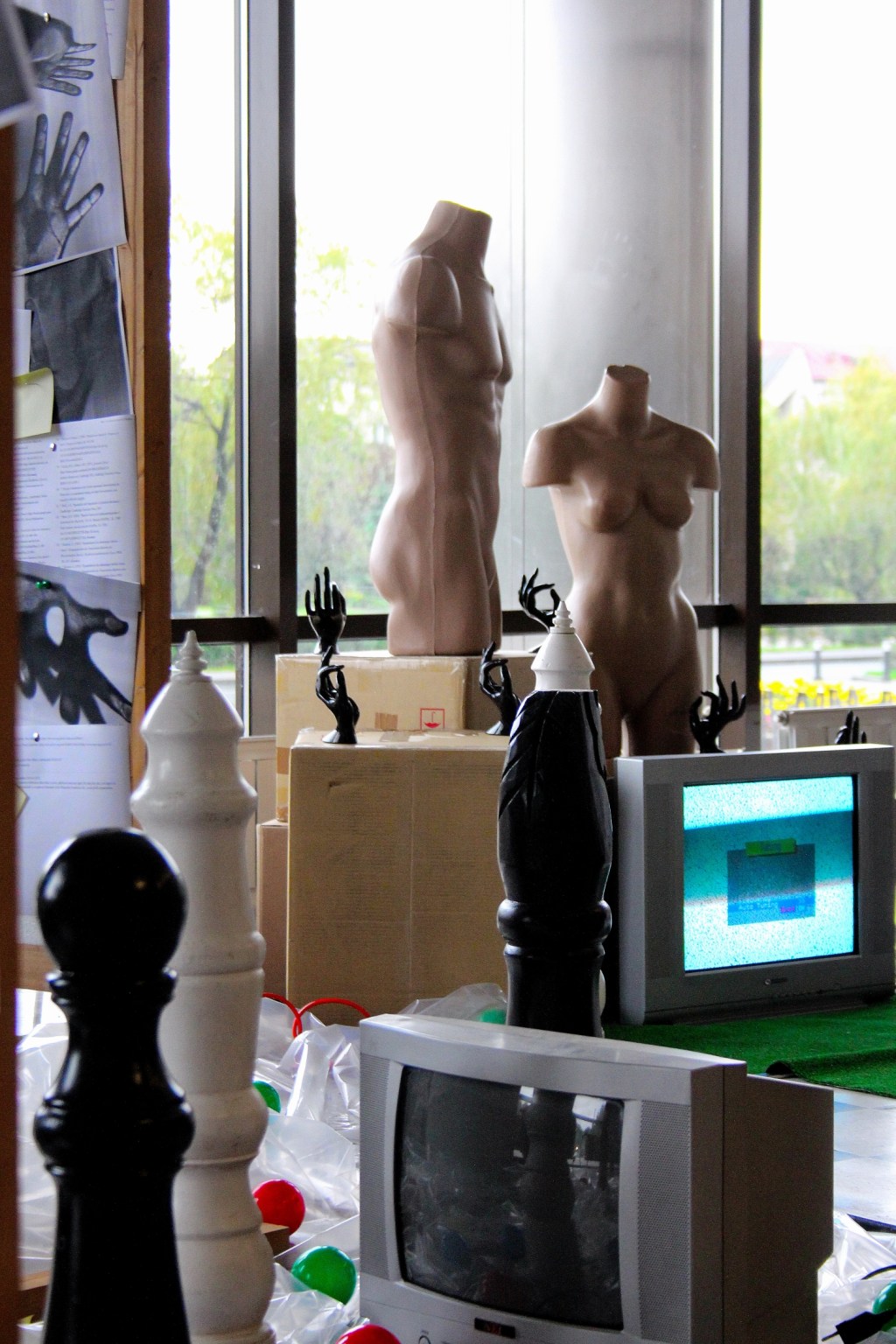
Starting the Series: From Digital to Real Exhibitions
I began this series of exhibitions convinced that digital content would never receive the kind of meaningful feedback that a real, physical exhibition can evoke. I enjoy using unconventional spaces, mainly because they allow me to easily shift the meaning of objects by placing them in new surroundings.
Most of my ideas stem from the digital paradigm—blame it on CAD—and I like to spread and reshape them with reality in ways that capture something essential about a place’s nature. Likewise, the place absorbs something from the concept behind the work.
With my exhibitions, I aim to introduce a third, fourth, or even fifth dimension into the equation—worlds of social cloud consciousness, virtual consciousness of individuals, and many other partial realities that are emerging as we speak.
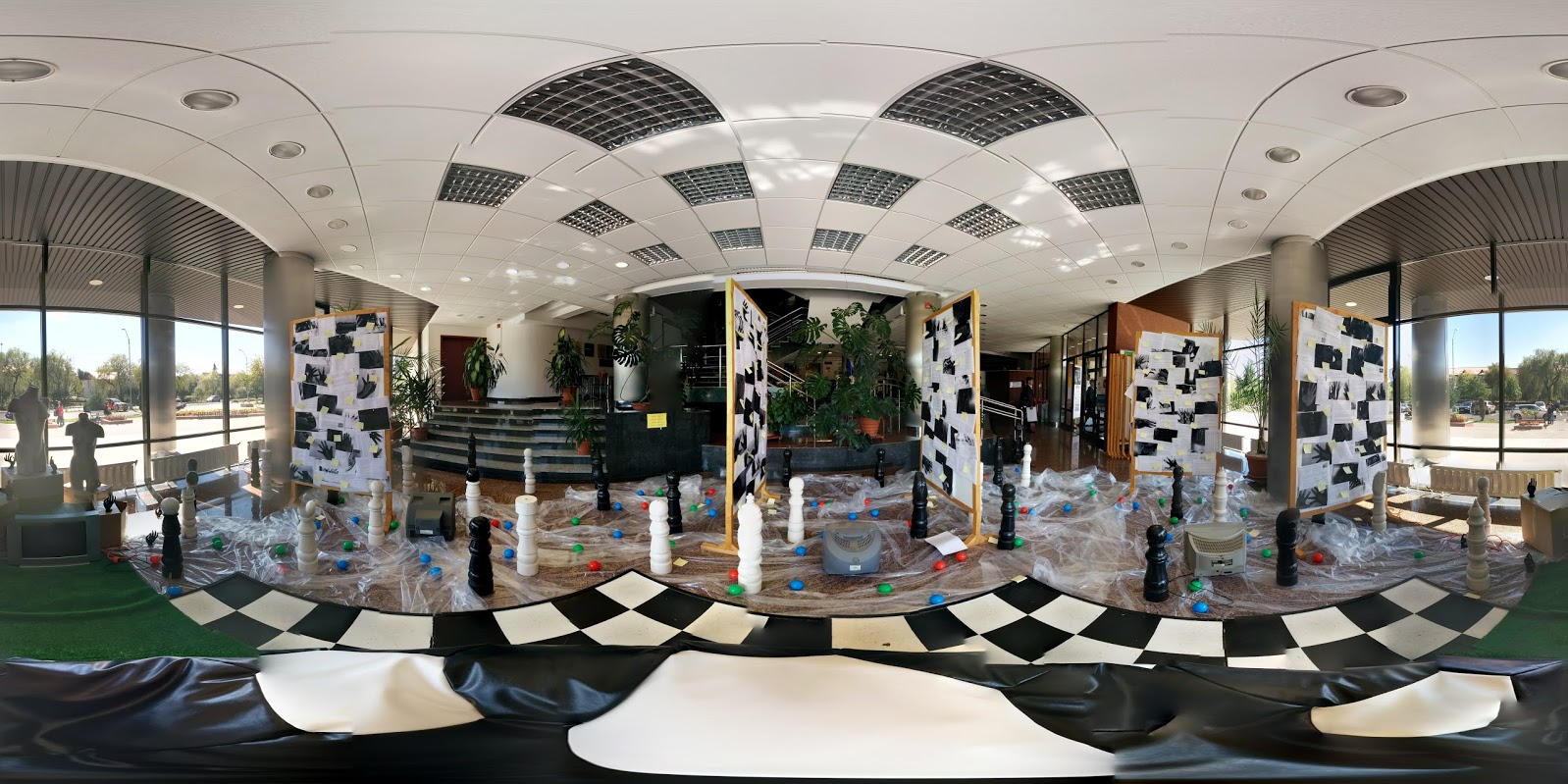
Particular Notes on the First Public Installation (Fall 2014)
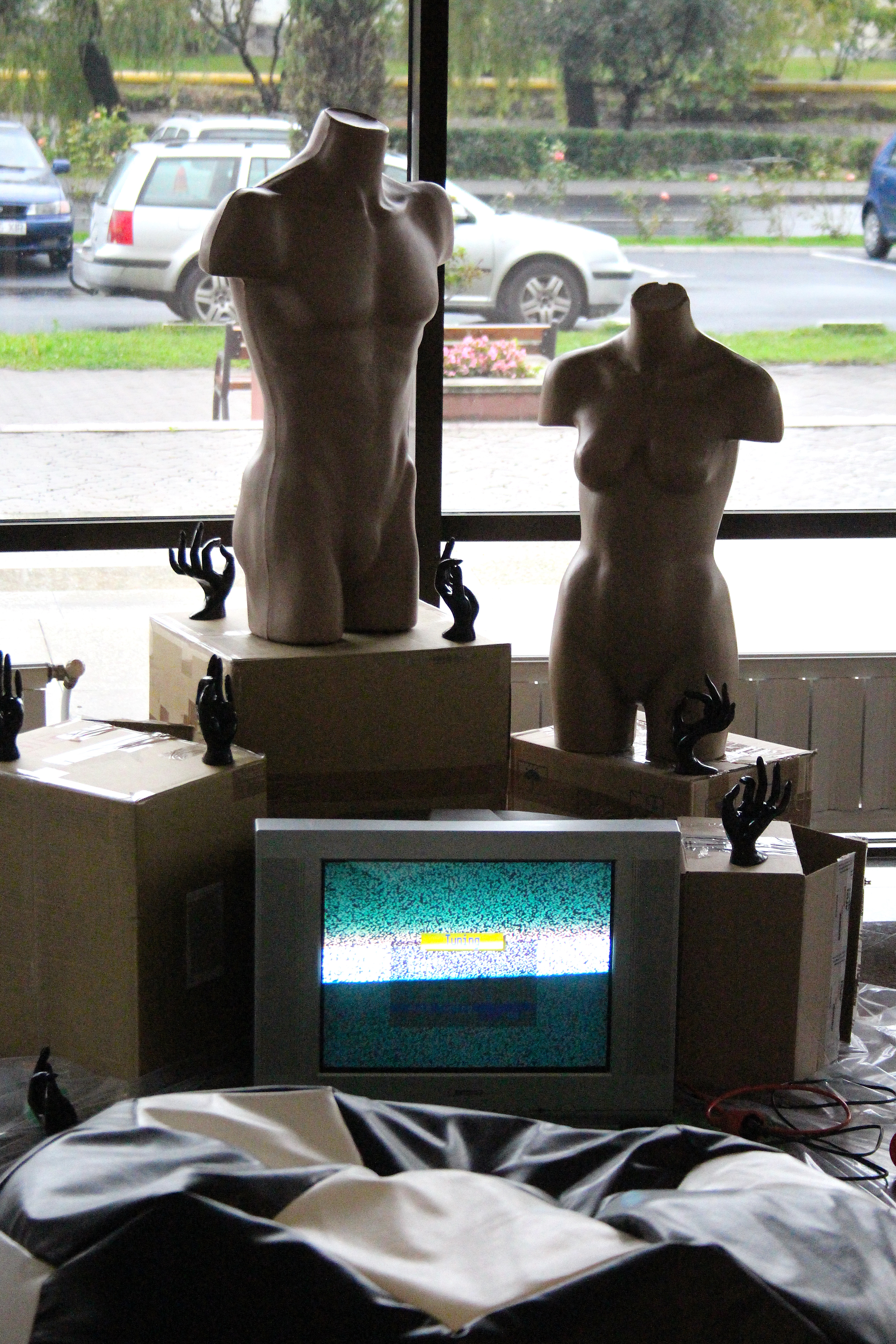
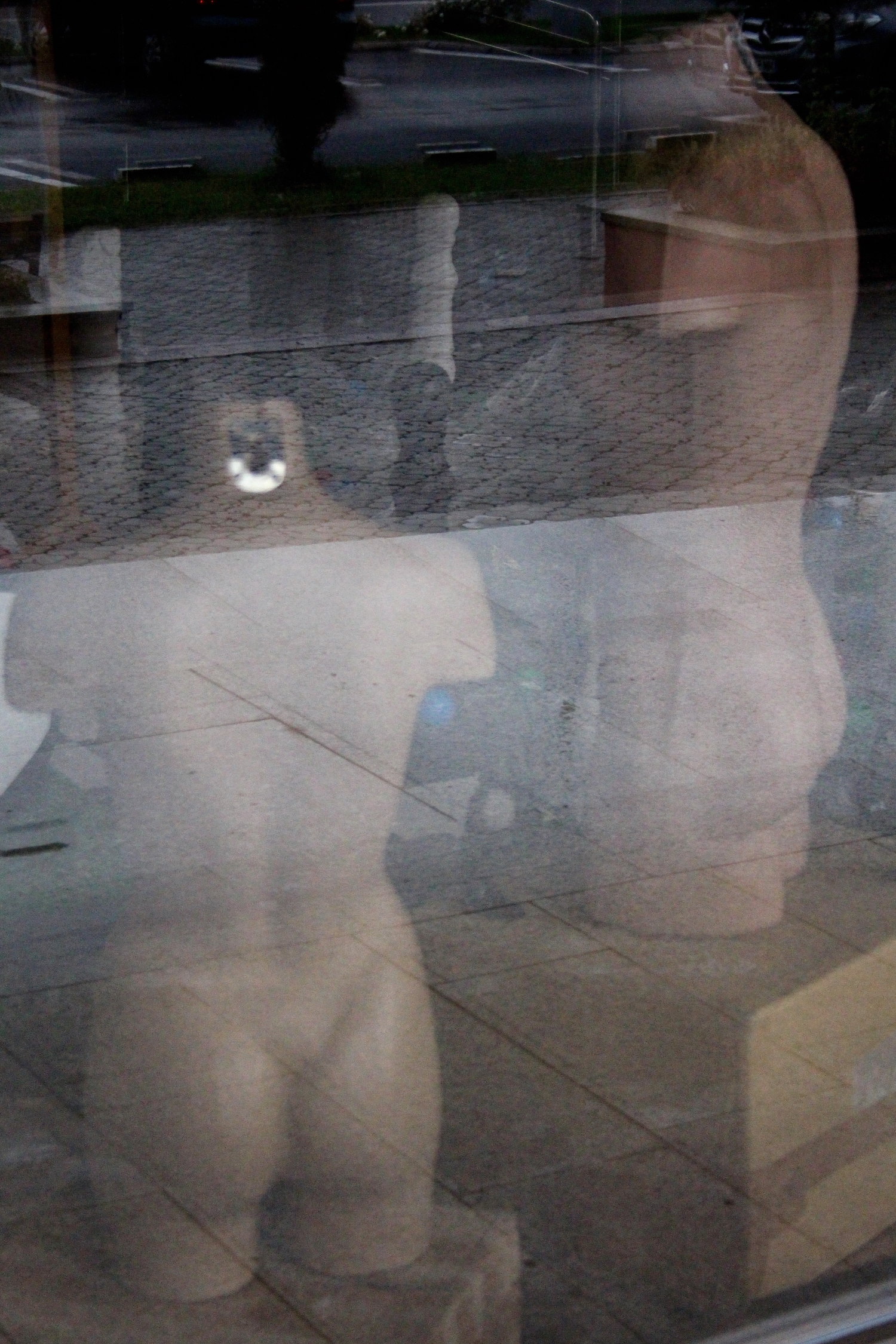
My first attempt to bring this work into “real life” happened in the fall of 2014, using the last available venue in town for a “real exhibition.” So many people are exhibiting these days, it’s unbelievable! After roughly four years of online “cyber-exhibiting,” I felt that “the real world” was the next place to explore real, or let’s say heavier, issues.
That’s why I always thought installation art was the best term to describe these early creative ideas—attempts to conquer new dimensions.
As noted earlier, at that time, average people gave little importance to anything they found online. Many simply copied, stole, or quoted digital content. Meanwhile, “real life art” was still perceived with greater importance and meaning—even if that “importance” varied from culture to culture.
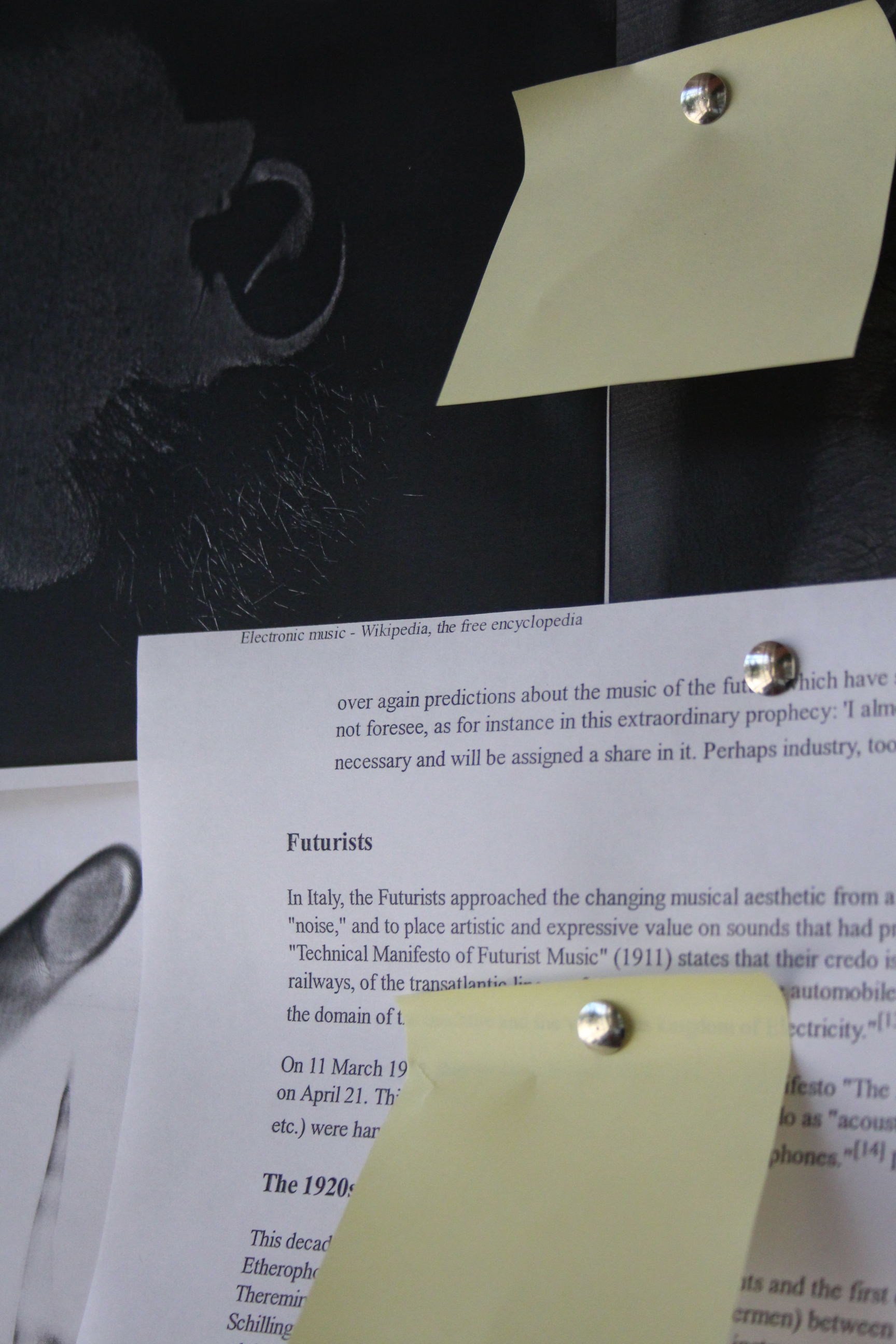
What I tried to do was mark a point in time and space and develop a frugal sketch around my particular situation then. I also thought of it as the first “thing” I created in this space-time continuum where money and cost were excluded. The entire sketch aimed to “round up” a few ideas, concepts, and notions without any commercial purpose. This meant funding the project myself (about 200 euros, no sponsors), while strongly emphasizing that its outcome was at least “informative” if not “educative.”
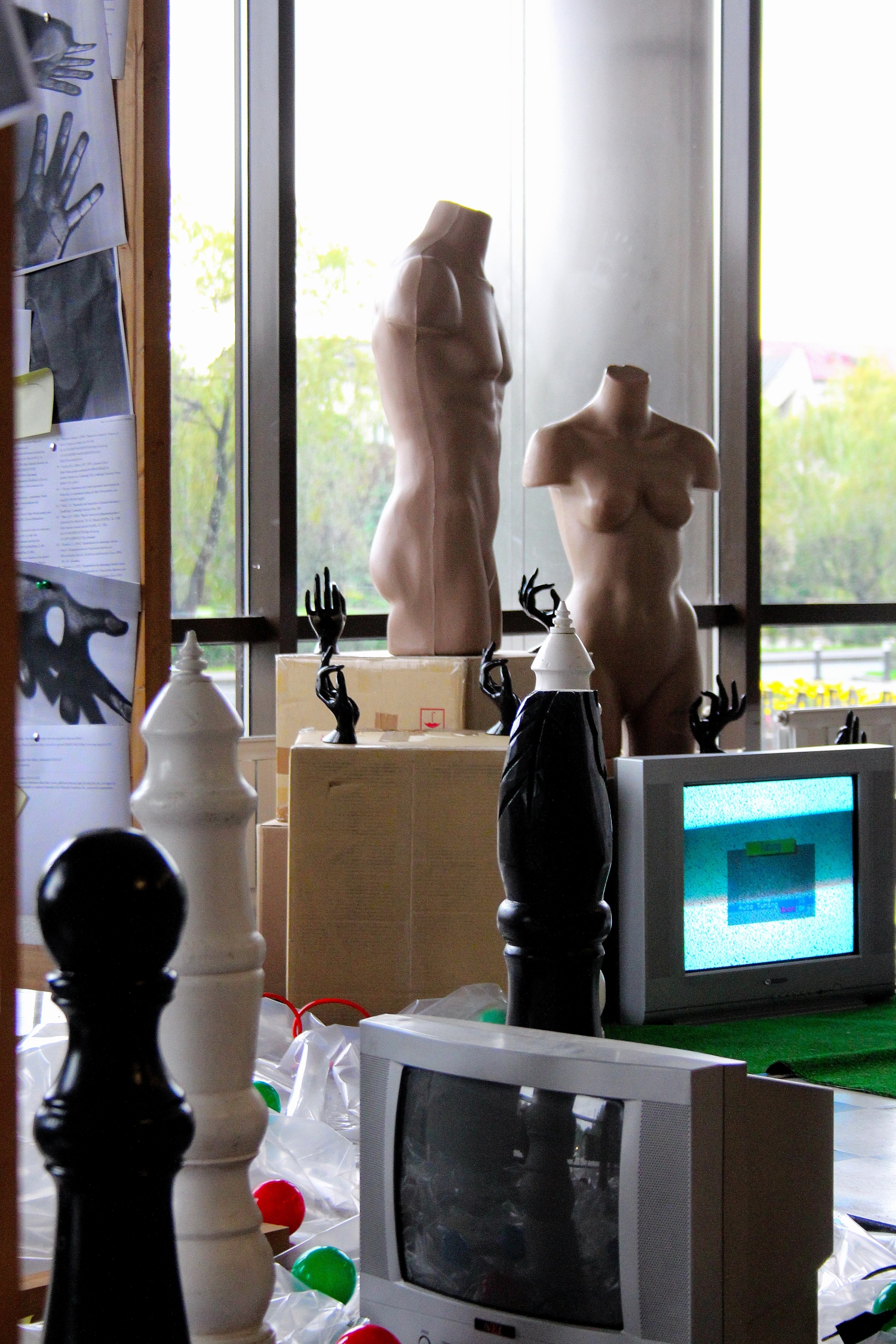
Educated Style vs. Free Style: Is Style Ever Truly Free?
For a while, I was interested in issues around copyright and copying. I think I reached a point where a demonstrative reasoning seems to circulate publicly, calculating how much originality is truly left for artists versus what is drawn from “state/establishment/educational systems.”
Into this “sketch/installation,” I had to inject a few notions to create axes for further development. As always, I try to layer everything with humor—this time distributed across different levels of perception.
My Inner Questions
How will average people perceive my “art,” especially when it’s integrated into the collective mentality as part of the “establishment” (being taught in schools, publicly funded, etc.)? This exhibition was, in part, a rhetorical interrogation of this question.
Is this public space ready to become more than just a silent witness of random “artefacts”—to become a dynamic carrier and processor within a bigger picture? Under what conditions?
Can a completely non-lucrative installation art form act meaningfully in bigger setups or paradigms? Can this effect be evaluated?
Can I create a multi-layered installation in time, space, or across different cultural “clouds”? Will these layers become interconnected, interdependent, or interwoven?
How will feedback affect the creator, the public, and the establishment? Through which channels will it flow?
How will the “lack-of-resources” invoked here—low resolution, low poly, low latency, low tech, low everything—affect the installation’s reception by different publics? And why?

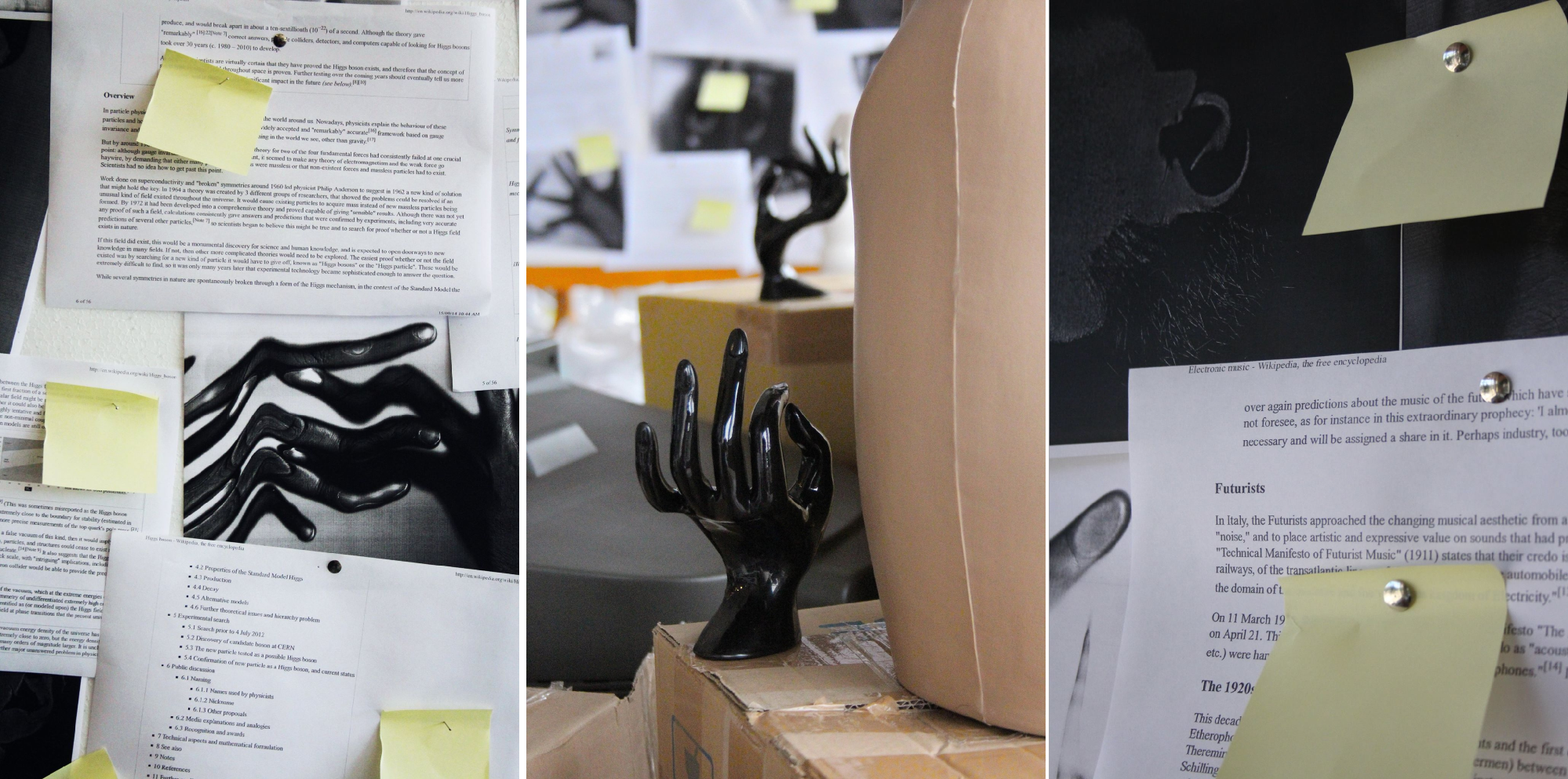
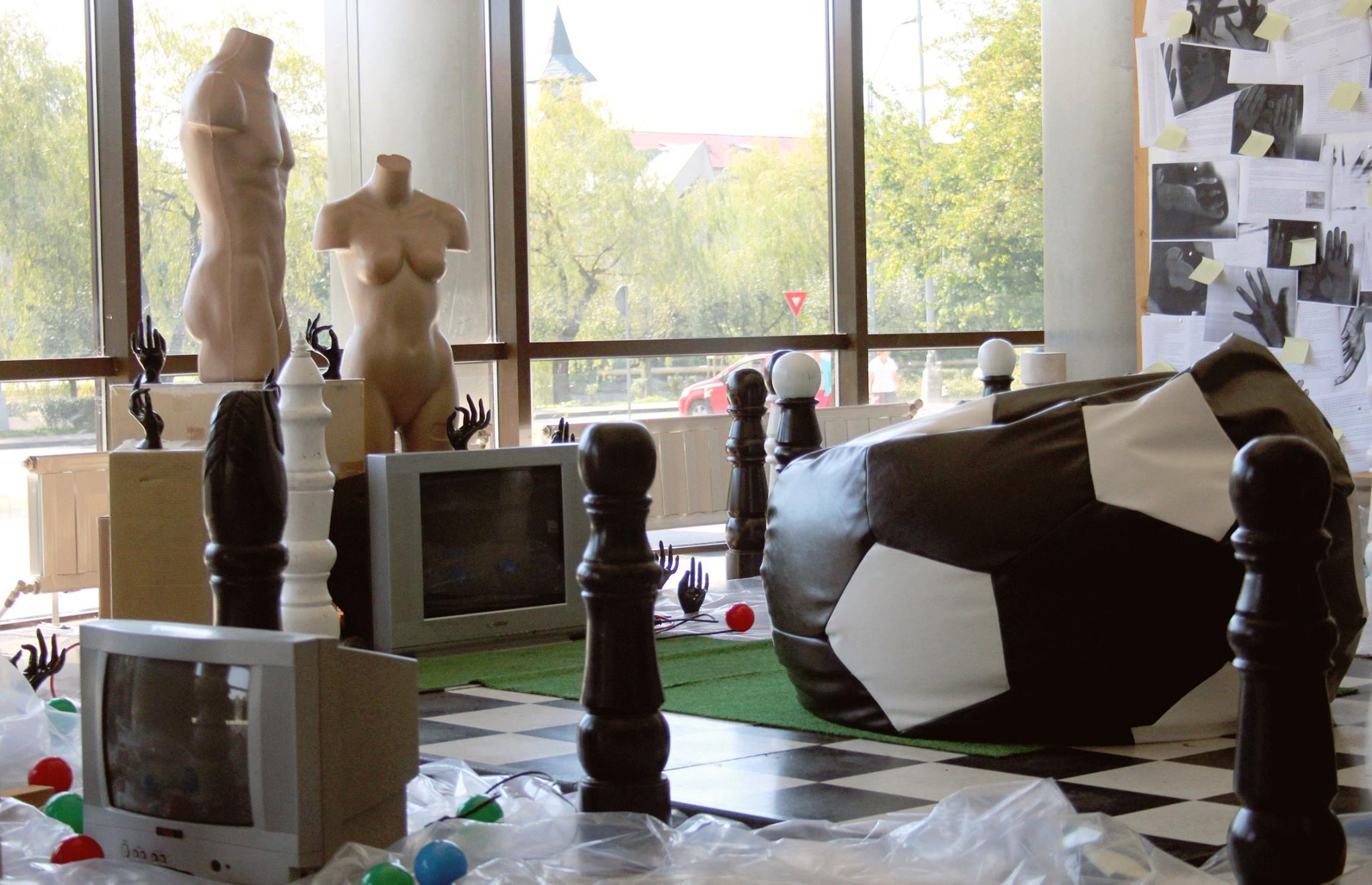
Challenges on the Local State of the Arts: Why Low-Tech?
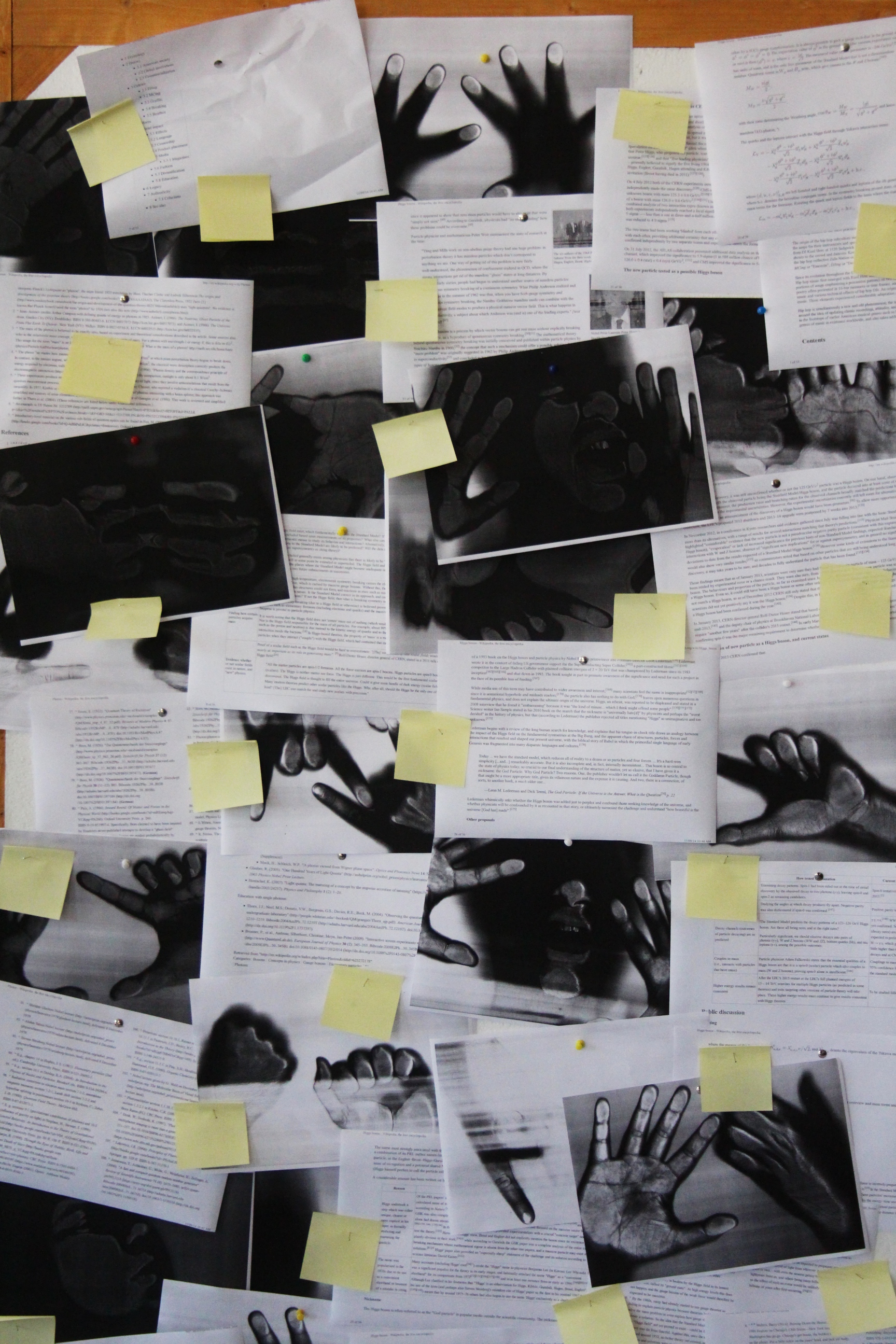
- The challenge of “making a point” with minimal resources in an environment where scarcity is both established fact and a tool in propagandistic discourse. Here, scarcity becomes a sarcastic response to the state of things.
- The challenge of using as many “establishment” elements as possible while turning those tools against it—a form of cultural resistance. An establishment that values most what it has under “legal custody” more than its own members (the people). This means charging the elements used in the installation with multiple meanings and symbolism.
My biggest personal challenge was to create a “scheme” scalable in space and to monitor its development over time via dedicated feedback. Naturally, different types of publics were expected to provide different kinds of feedback.
The ambition to turn “low-tech” into “hi-tech” and maybe vice versa—challenging the notions of cost, scarcity, and resource management.
( rewritten with ChatGpt )
 PAUL SELING
Leave a comment